
A custom entertainment center is not simply a luxury, but a lifestyle statement. Partner with expert Custom Entertainment Center builders in San Jose like Alfa woodworks LLC to create an unparalleled entertainment experience which reflects your distinct style and enhances your property value.
A custom entertainment center is the perfect fusion of style, technology, and functionality, enhancing your lifestyle and property value. In this blog, we’ll explore the world of leading custom entertainment center builders in San Jose. Apart from this, we also serve different areas like Bay Area, Alameda County, Mountain House, Santa Clara, Contra Costa County, Fremont, Tracy, Los Gatos, Saratoga, Pleasonton, Livermore etc.
If you are looking for the best custom media cabinets maker in San Jose, then there is no better option than Alfa woodworks. We treat customers as our own family thus our price is completely transparent. Contact us to have words with professionals available here.
Alfa wood works LLC makes Trending TV cabinet designs that can be customized to your style, preference and TV sizes. TV units are necessary piece of furniture which serves as a focal point for your room while giving you amazing storage options. If you are looking for custom home entertainment center builder in San Jose then there is no better option than us.
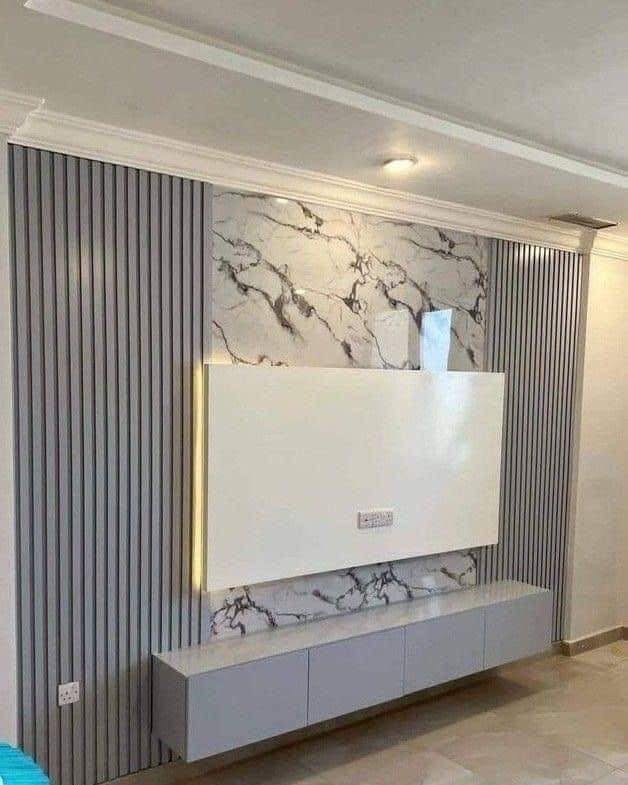
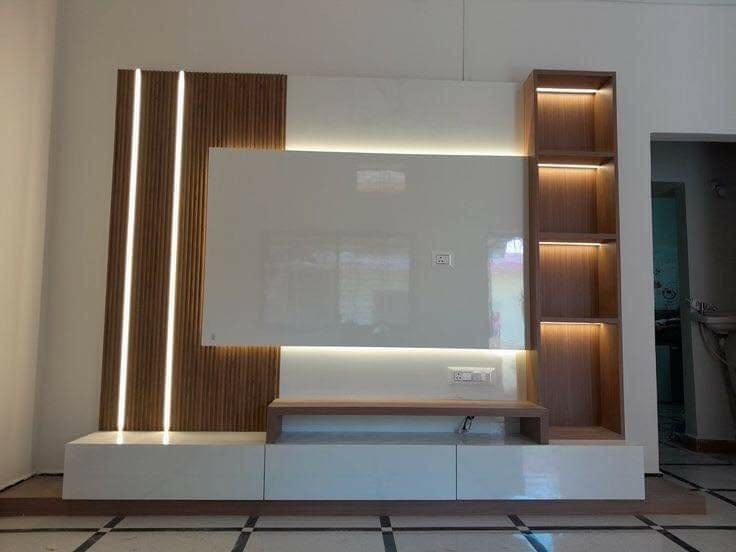
A significant advantage of our home entertainment units is that each one is entirely distinct and designed to your specifications. Our precise measurements based on your size necessities and design requests guarantee a customized experience you won’t get with any pre-manufactured furniture unit. Our professional installation means the products will be safely placed in your entertainment or living area for years of enjoyment.
At Alfawoodworks, we create custom entertainment center cabinets that stand out from the crowd – and stand the test of time. We pride ourselves in designing, building and installing attractive and functional cabinets.
Thrilled to get your tv room ready for movie night or the next big game? Alfawoodworks offers different drawer and door styles to choose from and we carry a range of shelf, crown, base, and trim moldings to make your tv entertainment center truly distinct.
Many homeowners may not know exactly what they want for their entertainment center, but they do know they don’t want the one-size-fits-all options from retailers. At Alfawoodworks, that’s no problem because our helpful team will sit down with you to get an idea of what you’re looking for and the layout of your space and provide expert insight.
Our design team will help you through the entire step of the procedure, helping you to measure your space, choose from our large array of finish materials, and suggest best practices in layout and design, based on our many years of home building experience! Our expert designers will provide recommendations and garner feedback until the final design is the custom entertainment center which ideally fits your home’s layout and your taste.
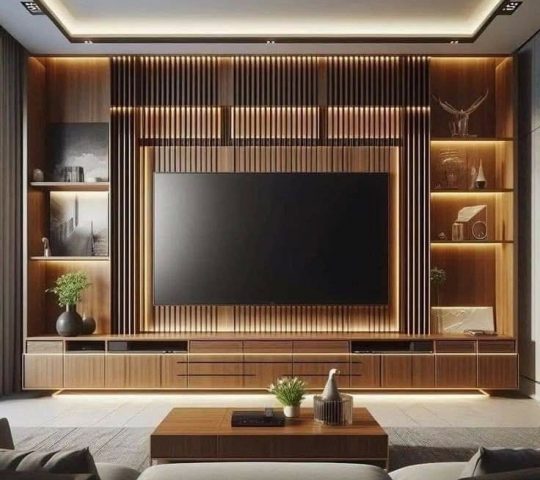
Here are the advantages of hiring a custom entertainment center builder in San Jose:
Get a free quote for custom home theater design. Avail our unique Home theatre design and installation services and feel the difference. Thus what are you waiting for contact us for expert media room design and installation services. Here are reasons to select a custom cabinet builder in San Jose:
1.Several years of experience in custom cabinet design and building
2. Professional craftsmen with attention to detail
3. Knowledge of local design trends and regulations
1. Top-notch materials and construction
2. Very long-lasting and durable cabinets
3. Perfect finishes and precision installation
1. Personalized design tailored to your style along with space
2. Infinite material and finish options
3. Collaborative design procedure guaranteeing your vision
1. Dedicated & knowledgeable project managers
2. Clear conversation and updates
3. Complete warranty and support
1. Eco-friendly material
2. Energy-efficient design as well as construction
3. Locally sourced materials
1. Well known with local architecture and design
2. Understanding of local lifestyle needs
3. Support for local businesses & community
1. Single-point contact for design, build, and installation
2. Streamlined procedure saving time as well as effort
3. Timely project finishing
By hiring a custom entertainment center builder in San Jose, you’ll enjoy an ideal entertainment experience, enhanced functionality, and increased property value.
Here are few frequently asked questions (FAQs) about custom entertainment center builders:
A custom entertainment center is a tailored solution for your home entertainment requirements, combining audio-visual equipment, storage, and design.
Custom entertainment centers provide personalized design, improved functionality, and increased entertainment experiences.
Services comprise design consultation, installation, and integration of audio-visual equipment, smart home systems, and custom cabinetry.
Materials comprise wood, glass, metal, and other high-quality options.
Installation time ranges depending on project complexity, typically ranging from a few days to several weeks.
Equipment comprises TVs, projectors, soundbars, speakers, gaming consoles, and streaming devices.
Control options comprise remote controls, voice control, and mobile app control.
Yes, we provide several upgrades, like soft-close drawers, LED lighting, and smart storage solutions.
Few builders provide financing options or partnerships with lenders
Regular cleaning, dusting, and software updates guarantee optimal performance.
These FAQs must provide a great starting point for addressing common questions and concerns regarding custom closets.

Alfawoodworks did an amazing job designing and installing our kitchen cabinets. They were so simple to work with and always responded promptly to any questions we had. I will definitely rate them the best custom cabinet entertainment builder in Livermore.

Complete transparent pricing and really good work. Definitely provide 5 stars.