
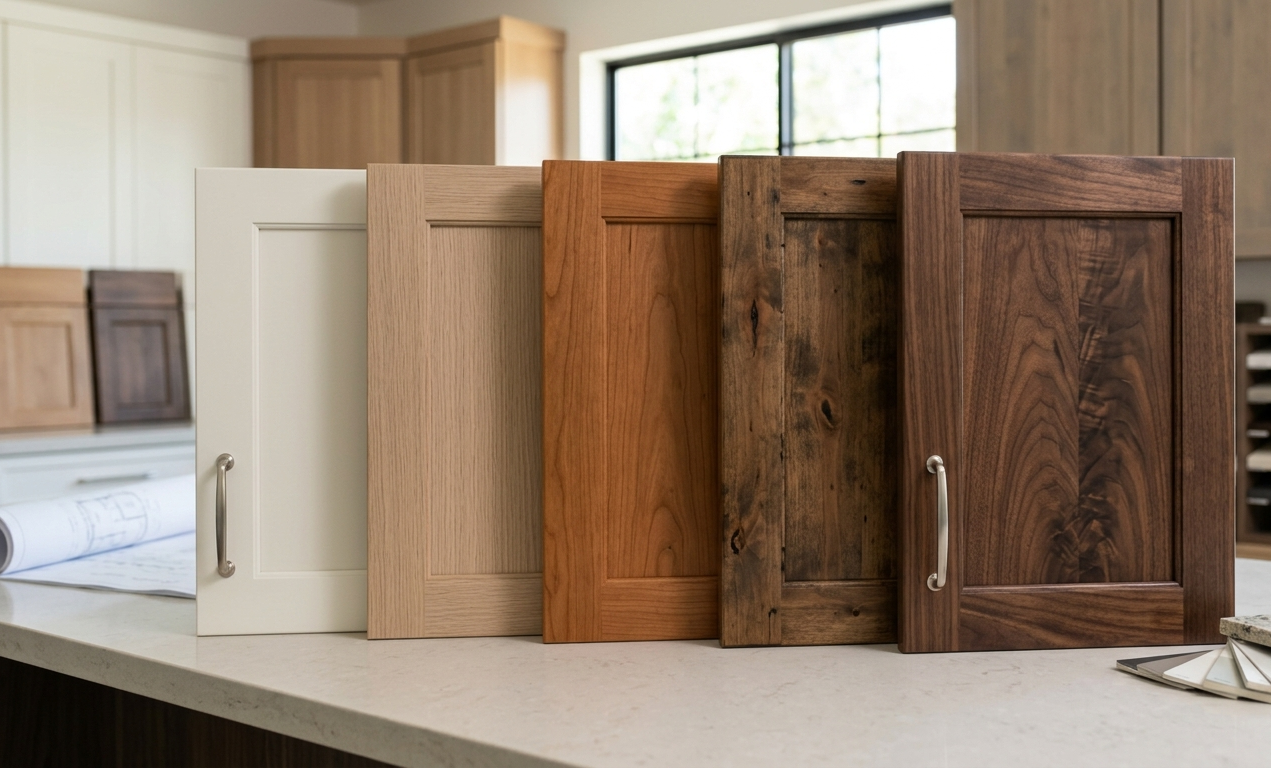

If you’ve ever walked into a beautifully designed kitchen and felt that sense of warmth and quality, chances are the cabinets had a lot to do with it. The wood species used in custom cabinetry determines not just how your kitchen looks, but how well it holds up over years of daily use. For Bay Area homeowners, where the climate, lifestyle, and design tastes all vary, choosing the right wood is one of the most important early decisions in any remodel.
At Alfa Woodworks, we work with homeowners across San Jose, Santa Clara, and the wider Bay Area to help them pick materials that match both their vision and their practical needs. The choice isn’t just aesthetic it affects durability, maintenance, cost, and how well your cabinets age over time.
Why Wood Species Matters More Than You Think
Most homeowners focus on cabinet color or door style first. But the wood underneath all that finish is what gives your cabinets their strength, texture, and long-term character. Different species absorb stain and paint differently, respond differently to humidity, and vary significantly in hardness and grain pattern.
The Bay Area has mild, coastal-influenced weather but kitchens still experience moisture, heat, and heavy daily use. Not every wood handles that the same way. Picking the wrong species can mean warping, cracking, or finishes that peel faster than expected.
The Most Popular Wood Species for Kitchen Cabinets
Maple is one of the most commonly used cabinet woods in California, and for good reason. It’s a hard, tight-grained wood that takes paint extremely well. If you’re going for a clean, modern look with solid color finishes, maple is often the top recommendation. It resists moisture reasonably well and holds up under heavy use without showing dents easily.
Oak has been a kitchen staple for decades, though its popularity has evolved. Red oak has a pronounced grain that some homeowners love for a rustic or traditional look. White oak, on the other hand, has a tighter grain and has become increasingly popular in modern and transitional designs. It stains beautifully and offers solid durability.
Cherry is a premium choice that brings warmth and elegance into any space. It darkens naturally over time with light exposure, developing a rich reddish-brown patina that many homeowners treasure. Cherry is softer than maple or oak, so it’s better suited for kitchens with lighter daily traffic, though it’s still a reliable choice when properly finished.
Alder is a softer hardwood that’s extremely popular in California due to its affordability and workability. It takes stain well and can mimic the look of cherry or walnut at a lower price point. For homeowners who want warmth and character without the premium price tag, alder is worth considering.
Walnut sits at the top of the luxury tier. Its deep, dark tones and striking grain patterns make it a showstopper in any kitchen. Walnut cabinets photograph beautifully and hold their value well. The trade-off is cost, it’s one of the more expensive domestic species available. But for high-end remodels in San Jose’s luxury neighborhoods, it’s hard to beat.
How Bay Area Climate Affects Your Choice
California’s Bay Area doesn’t experience extreme cold, but kitchens in coastal areas like Santa Clara and San Jose can deal with humidity variations throughout the year. Wood is hygroscopic, it expands and contracts with moisture changes. This is why the quality of the manufacturing process matters just as much as the species itself.
Plywood cabinet boxes with solid wood doors are generally preferred over particleboard in humid climates. Plywood holds fasteners better and resists moisture-related swelling. According to the U.S. Department of Housing and Urban Development, proper material selection and moisture management are key factors in the longevity of interior woodwork.
Painted vs Stained: How Species Plays a Role
If you want painted cabinets, maple and alder are the best choices. Their tight grain minimizes the blotchy appearance that open-grain woods like oak can show under paint. If you love the natural wood look and want to show off the grain, oak or walnut with a clear or light stain is a better fit.
Cherry and walnut are almost always kept in natural stain to preserve their character. Painting walnuts would be considered a waste of a beautiful material by most craftsmen.
Custom vs Semi-Custom: Does Species Choice Change?
With stock or semi-custom cabinets, you’re limited to whatever species the manufacturer uses in that price range. Usually, that means MDF doors with a veneer wrap rather than solid wood at all. With fully custom cabinets from a local maker, you have complete control you can choose species, grain direction, door style, and finish all at once.
This is one of the biggest advantages of working with a Bay Area custom cabinet maker versus ordering online or buying from a big box retailer.
How to Make the Final Decision
Start by collecting finish samples and placing them in your kitchen at different times of day. Natural light changes how wood reads dramatically. Pair your wood choice with your countertop material, flooring, and wall colors. Look for contrast or harmony depending on your design style.
Your cabinet maker should walk you through all of these considerations during the design phase. If they’re not asking about your lifestyle, traffic patterns, and long-term goals, that’s a sign to keep looking.
Conclusion
The right wood species won’t just make your cabinets look beautiful on day one it’ll keep them looking great for decades. Whether you lean toward the clean simplicity of maple or the rich luxury of walnut, the key is matching your choice to your home, your lifestyle, and your Bay Area environment. Ready to explore your options? The team at Alfa Woodworks is here to help you every step of the way.
FAQ
Q: What is the most durable wood for kitchen cabinets?
Maple and white oak are considered among the most durable options for kitchen cabinetry due to their hardness and moisture resistance.
Q: Is painted or stained wood better for cabinets?
It depends on your style preference. Painted cabinets work best on tight-grain woods like maple. Stained finishes work better on character woods like oak, cherry, or walnut.
Q: How long do custom wood cabinets last?
High-quality custom wood cabinets can last 20–50 years with proper care and maintenance.
Q: Can I mix wood species in one kitchen?
Yes. Mixing two species, such as a dark island in walnut paired with white maple perimeter cabinets, is a popular modern design choice.