
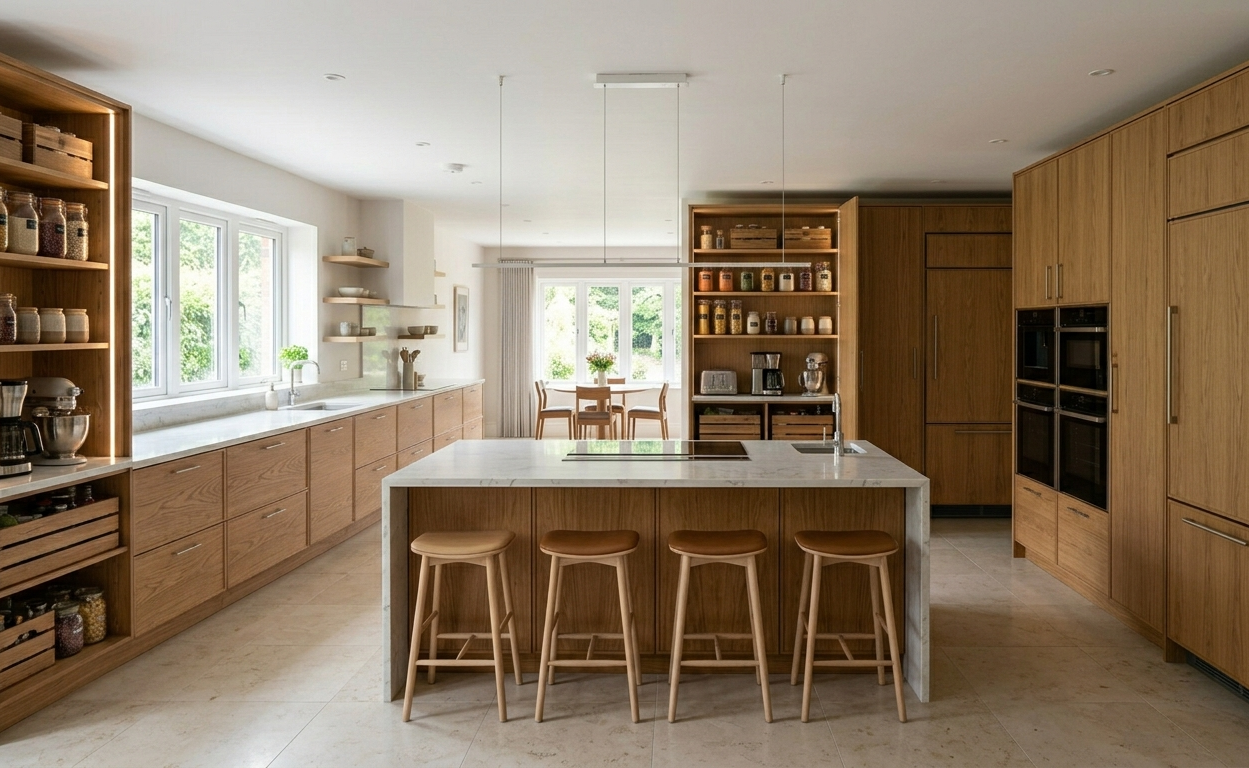

When you start dreaming of a new kitchen, your mind likely jumps to the fun stuff like marble countertops, sleek gold faucets, or that high end range you have always wanted. However, the true success of a kitchen remodel depends on something much more technical: the measurements. Understanding a Standard Cabinet Sizes Guide is the essential first step in creating a space that is not only beautiful but also functional. Whether you are working with a tight galley kitchen or a massive open concept space, these dimensions serve as the baseline for every decision you make.
The reason we have these measurements is to ensure that appliances like dishwashers and ovens fit perfectly into their designated slots. While custom work allows for total freedom, knowing the Standard Cabinet Sizes Guide helps you communicate more effectively with your builder and stay within a reasonable budget. It acts as a roadmap for your layout, helping you visualize where the sink will go and how much prep space you will actually have. In this guide, we will break down the common heights, depths, and widths that define the modern American kitchen.
Why Base Cabinets Are the Foundation
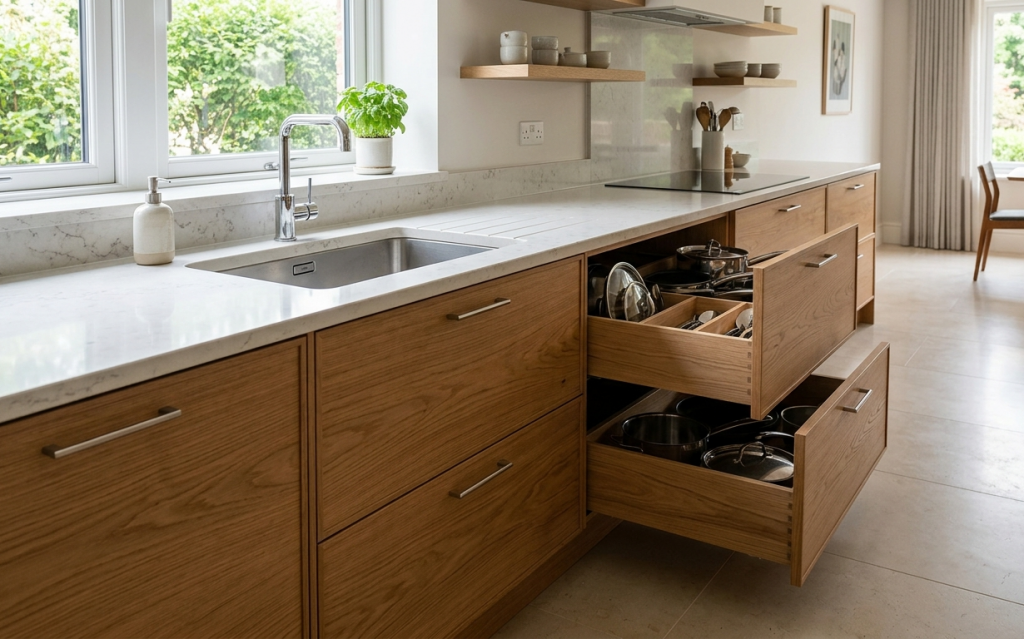
Base cabinets are the workhorses of the kitchen. They support your heavy countertops, house your sink, and provide the bulk of your storage for pots and pans. According to any reliable Standard Cabinet Sizes Guide, the standard height for a base cabinet is 34.5 inches. Once you add a standard 1.5 inch countertop, the total height reaches 36 inches. This height is ergonomically designed to be comfortable for the average person to chop vegetables or wash dishes without straining their back.
The standard depth for these units is 24 inches. This depth is deep enough to provide ample storage while still allowing you to reach the items at the very back without needing to crawl inside. If you are looking for a custom kitchen cabinet in San Jose, you might choose to deviate from these numbers for a specific reason, but staying close to the standard ensures that your appliances will sit flush with your cabinetry. Widths for base cabinets typically vary in 3 inch increments, ranging from 9 inches for narrow spice racks to 36 inches for large double door units.
Navigating Upper Wall Cabinets
Upper cabinets are where you keep your daily dishes, glassware, and spices. Since they are at eye level, their placement and size significantly impact the visual “weight” of the room. A Standard Cabinet Sizes Guide usually lists wall cabinet depths at 12 to 13 inches. This shallower depth compared to base cabinets prevents you from hitting your head while working at the counter. It also ensures that the kitchen feels open rather than claustrophobic.
The height of wall cabinets depends largely on your ceiling height and whether you want your cabinets to reach all the way to the top. Common heights include 30, 36, and 42 inches. If you have an 8 foot ceiling, 30 inch cabinets with crown molding are a classic choice. For taller ceilings, 42 inch cabinets provide that high end, custom look and extra storage for items you don’t use every day. When you are exploring modern kitchen cabinets, you might notice that many contemporary designs use taller uppers to create a seamless, vertical line that makes the ceiling feel even higher.
The Importance of Tall Pantry Cabinets
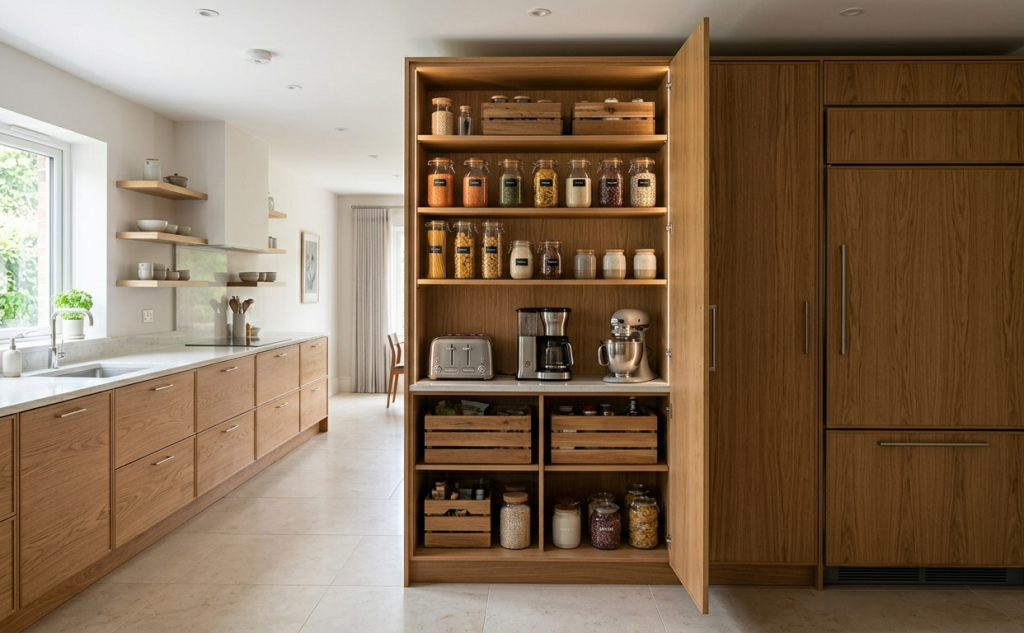
If you have the space, a tall pantry cabinet is a game changer for organization. These units typically stand 84, 90, or 96 inches tall. Using a Standard Cabinet Sizes Guide to plan for a pantry helps you create a dedicated zone for dry goods and small appliances like blenders or stand mixers. The depth is usually the same as base cabinets (24 inches), though shallower 12 inch pantries are great for narrow hallways or shallow walls where you only need to store cans and jars.
Tall cabinets serve as an excellent “anchor” for a run of cabinetry. They often sit at the end of a counter or next to a refrigerator to create a built in look. Because they are so large, they are often the most expensive single units in a kitchen. Planning your pantry according to the Standard Cabinet Sizes Guide ensures that it integrates smoothly with the rest of your layout, providing a massive amount of storage without looking like an afterthought.
Standard Widths for Specialized Units
Not every cabinet is a simple box with a door. Some are designed for very specific purposes. For example, a sink base cabinet usually needs to be at least 30 to 36 inches wide to accommodate a standard double bowl sink. A Standard Cabinet Sizes Guide will also point out that dishwasher openings must be exactly 24 inches wide. If you are off by even half an inch, your dishwasher simply won’t slide in.
Corner cabinets are another specialized area. To make use of that awkward “L” shape, most layouts include a Lazy Susan or a Blind Corner cabinet. These usually require a footprint of 33 to 36 inches in both directions. Understanding these specific numbers in the Standard Cabinet Sizes Guide prevents the common mistake of overcrowding a corner, which can result in doors that hit each other or drawers that won’t open fully.
Clearance and Ergonomics
A kitchen that looks good but is hard to move in is a failure. You need to consider the “clearance” or the space between cabinets. A Standard Cabinet Sizes Guide recommends at least 18 inches of space between the top of your base countertop and the bottom of your upper cabinets. This provides enough room for small appliances like coffee makers and toasters to sit on the counter without being obstructed by the cabinets above.
If you are designing an island, the walkway between the island and the wall cabinets should be at least 42 inches wide. If there are two cooks in the house, 48 inches is even better. These measurements are just as important as the boxes themselves. Using the Standard Cabinet Sizes Guide to map out these traffic patterns ensures that your kitchen remains a comfortable place to cook and socialize, even when the whole family is in the room.
Customizing Within the Standards
The term “standard” doesn’t mean “boring.” It simply provides the skeleton for your design. Once you have the basic layout figured out using a Standard Cabinet Sizes Guide, you can add personal touches that make the space yours. This might include custom pull out trash bins, spice drawers, or even a built in wine rack. The beauty of a modern kitchen design is that it uses these standard dimensions as a starting point and then elevates them with high quality materials and clever internal hardware.
By sticking to the depths and heights in the Standard Cabinet Sizes Guide, you make it much easier to find accessories like drawer organizers and pull out shelves later on. Most of these products are manufactured to fit standard boxes. If you go too far outside the norm, you might find yourself having to pay for custom fabricated organizers for every single drawer, which can quickly drive up your renovation costs. According to the 2026 Kitchen Cabinets Market Report, the demand for custom features within standard footprints is a primary driver of the $115 billion market this year, as homeowners prioritize both exclusive design and smarter, personalized storage solutions that fit their unique lifestyle.
Appliance Integration and Cabinetry
Your refrigerator, stove, and microwave are the primary reasons you need cabinets in the first place. A Standard Cabinet Sizes Guide is essential for making sure your “appliance garage” or fridge surround looks high end rather than messy. Most standard refrigerators are about 36 inches wide and can be up to 70 inches tall. Planning a cabinet bridge over the fridge that matches these dimensions creates a “built in” look that is highly desirable in modern homes.
Microwaves also come in standard sizes, usually designed to fit into a 24, 27, or 30 inch wide cabinet. If you prefer a microwave drawer, the Standard Cabinet Sizes Guide will help you determine which base cabinet width you need to sacrifice to accommodate it. Ensuring your cabinetry and appliances work in harmony is the hallmark of a professional kitchen plan.
The Role of Fillers and Toe Kicks
No wall is perfectly straight, and no room is a perfect multiple of three inches. This is where fillers come in. A Standard Cabinet Sizes Guide will account for small gaps of 1 to 3 inches between the last cabinet and the wall. Fillers are strips of matching wood that bridge these gaps, allowing doors to open fully without hitting the wall. They are the “secret sauce” that makes a standard layout look custom.
The toe kick is another standard measurement that often goes unnoticed. This is the recessed area at the bottom of base cabinets that allows you to stand close to the counter without your toes hitting the cabinet. The standard toe kick is 4 inches high and 3 inches deep. While it seems small, following the Standard Cabinet Sizes Guide for this detail is crucial for comfort. It allows you to lean into your workspace naturally while prepping meals.
Ceiling Height and Cabinet Selection
Ceiling height is the biggest factor in determining which upper cabinets you should choose. In a room with 8 foot ceilings, using the Standard Cabinet Sizes Guide leads you toward 30 inch or 36 inch wall cabinets. If you go with 30 inch uppers, you have space for a decorative crown molding at the top. If you go with 36 inch uppers, they will sit very close to the ceiling, giving you more storage but a tighter look.
For homes with 9 foot or 10 foot ceilings, you have more flexibility. You can use 42 inch cabinets or even “stack” cabinets, where a smaller 12 or 15 inch unit sits on top of a standard 30 inch unit. This double stacked look is very popular in luxury homes. No matter which route you choose, the Standard Cabinet Sizes Guide helps you ensure that the proportions look correct so the cabinets don’t overwhelm the room.
Corner Solutions: Lazy Susans and Beyond
Corners are often the most wasted space in a kitchen. To fix this, the Standard Cabinet Sizes Guide includes specialized corner units. A standard Lazy Susan base cabinet typically occupies a 36 inch by 36 inch area on your floor plan. This unit features rotating shelves that bring items from the back of the corner right to your fingertips.
If you don’t like the rotating style, a “Blind Corner” cabinet is another option. This unit is rectangular and tucked into the corner, requiring a pull out hardware system to access the hidden area. Using the Standard Cabinet Sizes Guide to choose the right corner solution is vital for maintaining the “work triangle” between your sink, stove, and refrigerator. It ensures that every inch of your kitchen is functional and easy to reach.
Vanity Sizes vs. Kitchen Sizes
While this guide focuses on the kitchen, it is worth noting that bathroom vanities follow a slightly different Standard Cabinet Sizes Guide. Bathroom cabinets are typically shallower (21 inches deep) and can be shorter (30 to 32 inches high), though “comfort height” vanities that match the 36 inch kitchen standard are becoming the new favorite.
If you are planning a whole home renovation, keeping these differences in mind is helpful. However, in the kitchen, sticking to the deeper 24 inch standard is almost always better because of the heavy duty storage needs. The Standard Cabinet Sizes Guide remains your best friend for the kitchen, while bathrooms allow for a bit more variation in depth to save space in smaller rooms.
Conclusion
Planning a kitchen is a puzzle where every piece needs to fit perfectly. By using a Standard Cabinet Sizes Guide, you give yourself the best possible start. These dimensions are not meant to limit your creativity but to provide a solid foundation of ergonomics and appliance compatibility. When you understand the basic heights, depths, and widths, you can move forward with confidence, knowing that your drawers will open, your dishwasher will fit, and your counters will be at the perfect height for cooking. A well planned kitchen is a joy to live in, and it all starts with getting those measurements right from the very beginning. Whether you are doing a DIY refresh or working with a pro, these standards are the key to a layout that looks amazing and works even better.
Frequently Asked Questions
What is the most common width for a kitchen cabinet?
While they come in many sizes, the most common widths are 12, 15, 18, 24, 30, and 36 inches. Most Standard Cabinet Sizes Guide documents recommend using these increments to keep the layout looking symmetrical and to make it easier to find standard sized doors.
Can I have cabinets that are deeper than 24 inches?
Yes, but it is rare for base cabinets. If you have an exceptionally deep countertop, you might use 27 or 30 inch deep cabinets, but this is usually a custom request. The Standard Cabinet Sizes Guide sticks to 24 inches because it is the standard for almost all major kitchen appliances.
How high should my upper cabinets be from the floor?
Typically, the bottom of the wall cabinets should be 54 inches from the floor. This accounts for 36 inches of base cabinet/countertop height plus an 18 inch “backsplash” gap. Following this Standard Cabinet Sizes Guide rule ensures you have room for your blender or mixer on the counter.
Do I really need fillers in my kitchen layout?
Almost always. Walls are rarely perfectly square. A Standard Cabinet Sizes Guide suggests leaving at least a 1 to 2 inch “buffer” at the end of a run of cabinets to ensure drawers and doors can open without scraping the wall.
What is the difference between a framed and frameless cabinet?
Framed cabinets have a wood frame around the front of the box, while frameless (European style) cabinets do not. While the Standard Cabinet Sizes Guide for the exterior box dimensions is usually the same, frameless cabinets offer slightly more interior drawer space.
Is it okay to mix cabinet heights?
Absolutely. Many people use a taller cabinet over the refrigerator or a shorter one over the stove to accommodate a vent hood. Using a Standard Cabinet Sizes Guide to plan these variations ensures that the heights look intentional and balanced.