
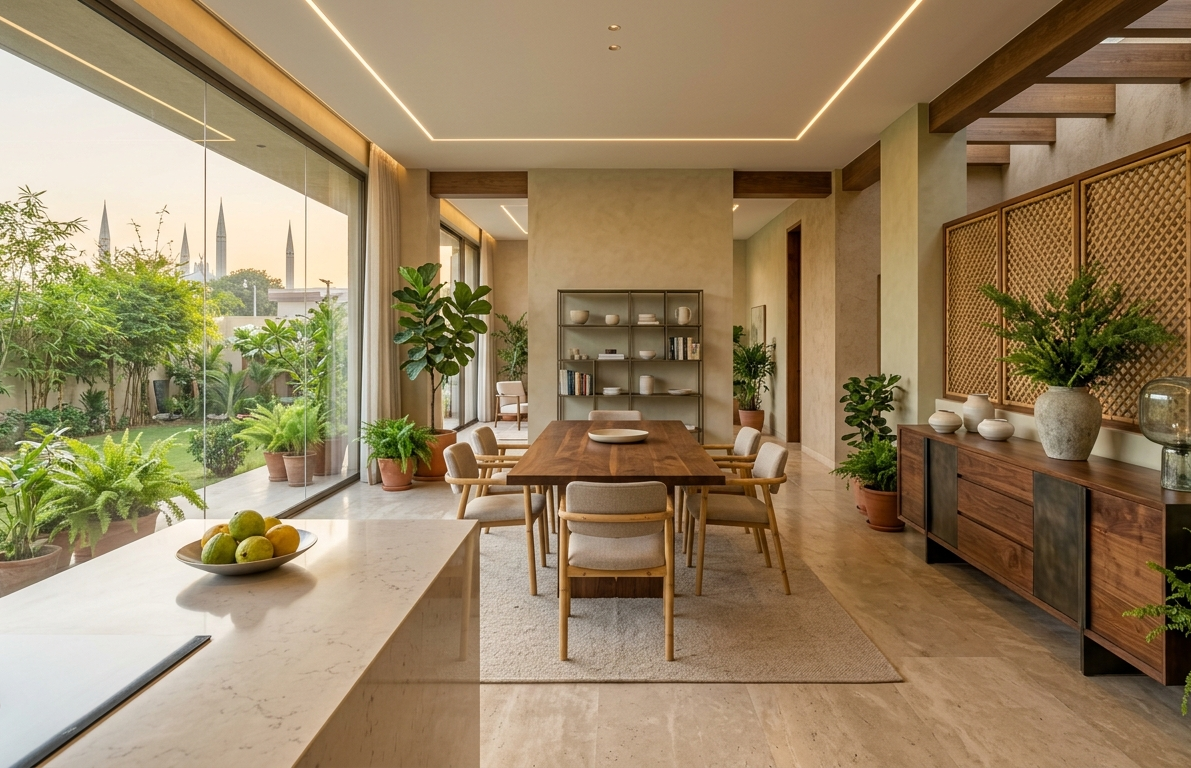

Luxury in the modern home is no longer just about the price tag or the brand name. It is about the story behind the piece, the health of the environment, and the longevity of the craftsmanship. As we move deeper into 2026, homeowners are increasingly looking for ways to align their interior design choices with their personal values. This shift has placed a massive spotlight on the quality of the resources used in our living spaces. Choosing the right components for your home can reduce your carbon footprint while actually increasing the aesthetic appeal and durability of your furniture.
The concept of high-end design is evolving to prioritize the planet. People are realizing that cheap, mass-produced items often end up in landfills within a few years, releasing harmful chemicals along the way. In contrast, investing in quality pieces made from responsibly sourced elements ensures that your home remains beautiful for decades. By focusing on a few specific categories of eco-conscious resources, you can create a space that feels both opulent and ethically sound.
The Foundation of Green Design
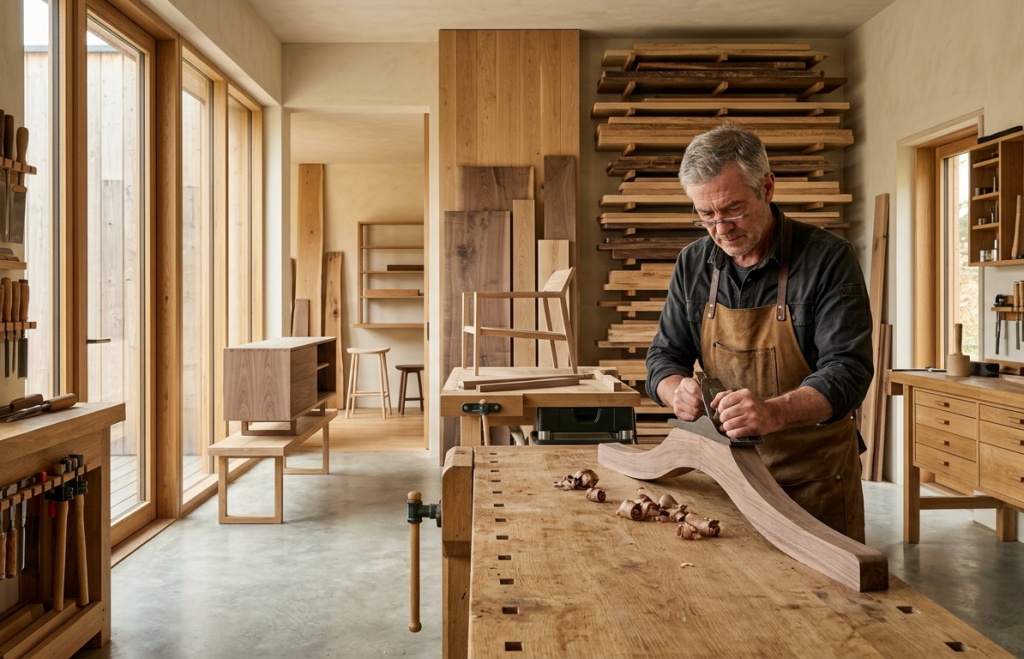
When we talk about luxury woodworking, the conversation almost always begins with timber. However, not all wood is harvested equally. To ensure you are using sustainable furniture materials, you must look for certifications like the Forest Stewardship Council (FSC). This ensures that the wood comes from forests that are managed to preserve biological diversity and benefit the lives of local people and workers. Using slow-growing hardwoods that are harvested responsibly is the gold standard for high-end cabinetry and tables.
Beyond just the harvest, the locality of the wood plays a huge role in its environmental impact. Transporting heavy timber across oceans creates a massive amount of carbon emissions. By sourcing local species, designers can offer a product that has a much lower environmental cost. For residents in Northern California, working with a specialist in custom kitchen cabinets in San Jose allows for the use of regional woods that are perfectly suited for the local climate while supporting a smaller, more transparent supply chain.
Reclaimed Wood: History Meets Modernity
One of the most visually stunning options in the world of ethical design is reclaimed wood. This involves salvaging timber from old barns, factories, or even shipyards and repurposing it into modern masterpieces. Because the wood is often decades or even centuries old, it has a density and character that new lumber simply cannot match. The knots, nail holes, and weathering tell a story that adds a layer of “organic luxury” to any room.
Reclaimed timber is one of the most popular sustainable furniture materials because it requires no new trees to be cut down. It also prevents perfectly good wood from being burned or sent to a landfill. From a structural standpoint, reclaimed wood is incredibly stable because it has already spent years expanding and contracting with the seasons. It is a perfect choice for statement pieces like large dining tables or unique shelving units that need to stand the test of time.
The Versatility of Bamboo and Rapidly Renewable Fibers
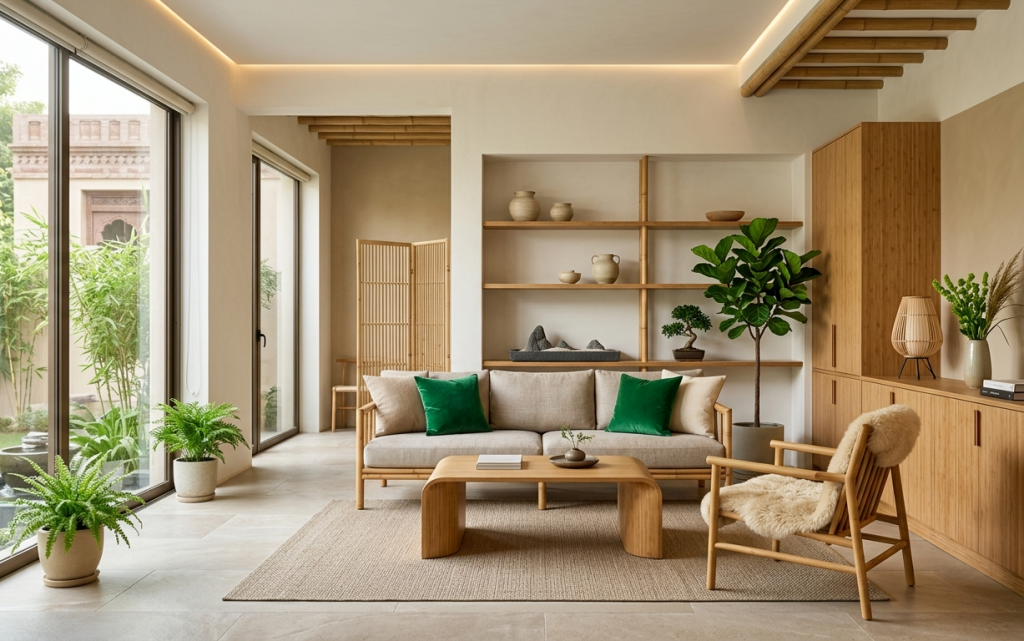
While hardwoods are traditional, many modern designers are looking toward rapidly renewable resources. Bamboo is perhaps the most famous example. Technically a grass rather than a tree, bamboo can reach maturity in just three to five years, compared to the decades required for an oak or walnut tree. When processed correctly, bamboo is incredibly hard and durable, making it an excellent choice for flooring and modern cabinetry.
The use of these types of sustainable furniture materials does not mean you have to sacrifice the “clean” look of a modern home. Bamboo can be finished in a variety of ways to mimic the look of traditional woods or to lean into its own unique, linear grain. It is a favorite for those who want a minimalist, Zen-like atmosphere in their home without contributing to global deforestation.
Eco-Conscious Finishes and Adhesives
The sustainability of a piece of furniture is not just about the wood; it is also about what goes on top of it. Traditional stains, paints, and glues often contain Volatile Organic Compounds (VOCs), which can “off-gas” into your home for years. This leads to poor indoor air quality and can cause respiratory issues. High-end eco-friendly furniture utilizes water-based finishes and natural oils that are safe for both the craftsmen and the homeowners.
Natural waxes and plant-based oils penetrate the wood to protect it from within, rather than just sitting on the surface like a plastic film. This allows the natural texture of the grain to be felt, which is a hallmark of true luxury. When you are looking to refresh your storage areas, incorporating these low-emission finishes into custom closet systems ensures that your clothing is stored in a healthy, chemical-free environment.
The Role of Recycled Metals and Stone
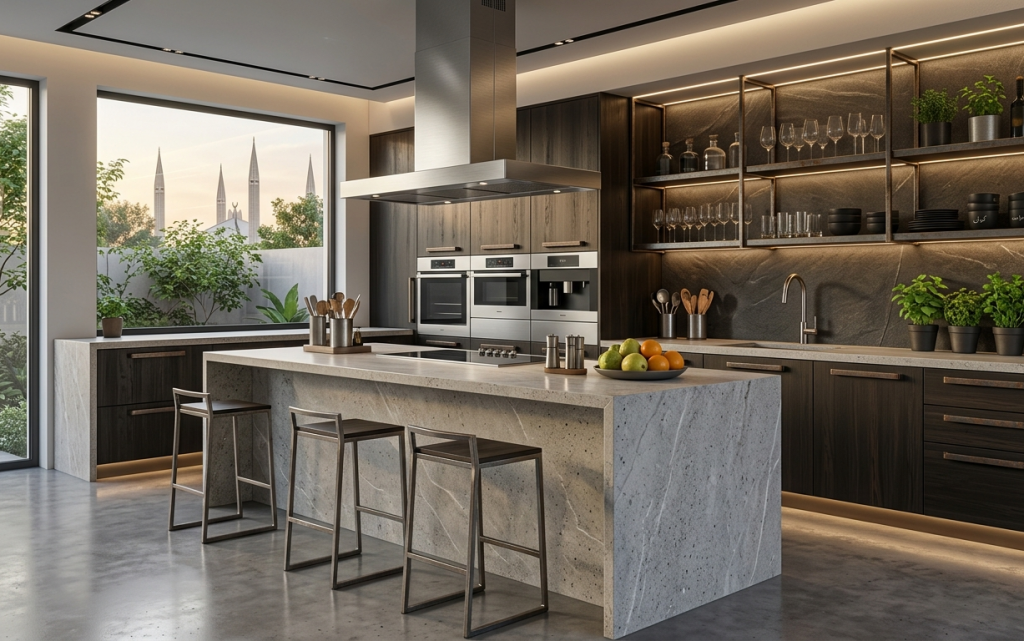
Luxury design often incorporates more than just wood. Metal accents and stone surfaces are essential for creating a balanced look. In 2026, the trend is moving toward recycled steel, aluminum, and brass. These metals can be recycled infinitely without losing their structural integrity. Using recycled metal reduces the need for destructive mining practices and uses significantly less energy during the manufacturing process.
Similarly, “engineered” stone surfaces that utilize recycled glass or stone chips are becoming a staple in high-end kitchens. These surfaces are often more durable and stain-resistant than natural marble while being much kinder to the earth. Integrating these sustainable furniture materials into your design adds a modern, industrial touch that perfectly complements the warmth of natural wood.
Cork: The Overlooked Sustainable Powerhouse
Cork is a fascinating resource that is often overlooked in luxury furniture design. It is harvested from the bark of the cork oak tree, which means the tree itself is never cut down. The bark grows back every nine years, making it a perfectly renewable cycle. Cork is naturally antimicrobial, water-resistant, and provides excellent acoustic insulation.
In modern furniture, cork is being used for everything from stool seats to cabinet door inserts. It has a soft, warm feel that contrasts beautifully with cold metal or stone. Because it is so lightweight, it is also an ideal choice for large-scale installations. Choosing sustainable furniture materials like cork demonstrates a commitment to innovative design that respects the biological rhythms of the planet.
Circular Economy and Long-Term Durability
The most sustainable piece of furniture you can buy is one that never needs to be replaced. This is the core philosophy of the circular economy. Instead of buying “fast furniture” that falls apart after a move, luxury consumers are moving back toward heirloom-quality pieces. When a piece is built with mortise and tenon joinery and finished with natural oils, it can be repaired and refinished rather than replaced.
This longevity is the ultimate form of sustainability. By choosing sustainable furniture materials that are meant to last for eighty years instead of eight, you are significantly reducing the total volume of waste produced over your lifetime. This approach requires an upfront investment, but the “cost per year” of the furniture is actually much lower than that of cheaper alternatives.
Incorporating Sustainability into Entertainment Spaces
Our homes are becoming more multifunctional, with living rooms serving as theaters, offices, and social hubs. The materials used in these high-traffic areas need to be both tough and beautiful. Using reclaimed wood or FSC-certified timber for a custom entertainment center allows you to hide your technology behind a facade of natural beauty.
A well-designed media hub made from sustainable furniture materials acts as an anchor for the room. It brings a sense of calm and order to a space that is often filled with glowing screens and plastic cords. By choosing eco-friendly options for your largest furniture pieces, you set the tone for the rest of your home’s aesthetic and environmental standards.
The Aesthetic Appeal of Organic Textures
There is a specific visual language associated with eco-friendly luxury. It leans into imperfection. The slight variations in the grain of a sustainably harvested oak or the subtle color shifts in a piece of recycled glass tell a story of authenticity. In a world of digital perfection and plastic surfaces, these organic textures provide a much-needed connection to the physical world.
This “biophilic” design approach has been shown to reduce stress and increase creativity. According to the latest 2026 interior design material trends, the industry is moving toward a ‘naturalness’ that favors tactile authenticity and earthy palettes, ensuring your living space feels restorative rather than just functional. When your environment is filled with sustainable furniture materials, you are surrounded by the patterns of nature. This creates a living space that feels restorative rather than just functional. It is a holistic way of thinking about luxury that prioritizes human well-being alongside environmental health.
Sourcing and Transparency
One of the biggest hurdles for homeowners is verifying the claims of manufacturers. “Greenwashing” is a real issue where companies use vague terms like “natural” or “earth-friendly” without any evidence. True luxury is transparent. A reputable woodworker should be able to tell you exactly where their timber was sourced, what type of glue was used in the joinery, and the chemical makeup of the finish.
This level of detail is what separates a truly high-end product from a mass-market one. When you can trace the journey of your table from a specific forest to your dining room, the piece gains a soul. It becomes a part of your family’s history. Prioritizing sustainable furniture materials is about more than just the environment; it is about reclaiming the craftsmanship and honesty that used to be the hallmark of every home.
The Future of Sustainable Luxury
As we look toward the future, the integration of technology and nature will only grow stronger. We are seeing the rise of 3D-printed furniture using wood pulp and bio-resins, as well as new “leather” alternatives made from mushrooms or pineapple leaves. While these innovations are exciting, the foundation remains the same: a respect for the raw resources provided by the earth.
The most successful designs of the next decade will be those that marry these new technologies with traditional woodworking techniques. By staying informed about the latest sustainable furniture materials, you can ensure that your home remains at the cutting edge of both style and ethics. Luxury is no longer about excess; it is about the thoughtful selection of items that enhance our lives without damaging the world around us.
Designing for a Healthier Home
Ultimately, the choice to use sustainable furniture materials is a choice for your family’s health. By removing toxins from your living environment and surrounding yourself with natural elements, you create a sanctuary. This is the ultimate goal of interior design. Whether you are remodeling a single room or building a new home, every material choice is an opportunity to make a positive impact.
The transition to a more sustainable lifestyle does not have to happen overnight. It starts with a single piece of furniture or a small renovation. By choosing quality over quantity and ethics over convenience, you are contributing to a global shift toward a more responsible and beautiful future. Your home is a reflection of who you are, and there is no better way to show your values than through the very things you live with every day.
Conclusion
Embracing eco-friendly luxury is a rewarding journey that changes the way you interact with your living space. By focusing on sustainable furniture materials like FSC-certified wood, reclaimed timber, and low-VOC finishes, you create a home that is as healthy as it is beautiful. These choices represent an investment in craftsmanship and environmental stewardship that will pay dividends for generations. True luxury is not found in the fleeting trends of the season, but in the enduring quality of natural resources and the skill of the hands that shape them. As we continue to refine our homes, let us prioritize the materials that allow both our families and our planet to thrive.
Frequently Asked Questions
Are sustainable furniture materials more expensive than traditional options?
Initially, the cost can be higher due to the ethical harvesting processes and the higher quality of the raw materials. However, because these pieces are built to last much longer than mass-produced furniture, they often represent a much better long-term value. You are paying for durability and health.
How can I tell if a piece of furniture is actually sustainable?
Look for specific certifications such as FSC for wood or GREENGUARD for low emissions. Ask the manufacturer about their sourcing and their finishes. A transparent company will be happy to provide details about their supply chain and the chemical makeup of their products.
Does eco-friendly furniture look different from regular furniture?
Not necessarily. Sustainable furniture materials can be used to create any style, from ultra-modern and minimalist to traditional and ornate. The primary difference is often in the quality of the finish and the depth of the wood grain, which usually looks more natural and high-end.
What is the most sustainable wood for furniture?
Reclaimed wood is often considered the most sustainable because it requires no new harvesting. Among new woods, rapidly renewable species like bamboo or FSC-certified hardwoods like maple and oak are excellent choices. Local sourcing is also key to reducing the carbon footprint.
Can sustainable furniture be customized?
Absolutely. In fact, many sustainable options are found through custom furniture makers who prioritize high-quality, local sourcing. Customization allows you to ensure that every aspect of the piece, from the joinery to the oil finish, meets your environmental and aesthetic standards.