
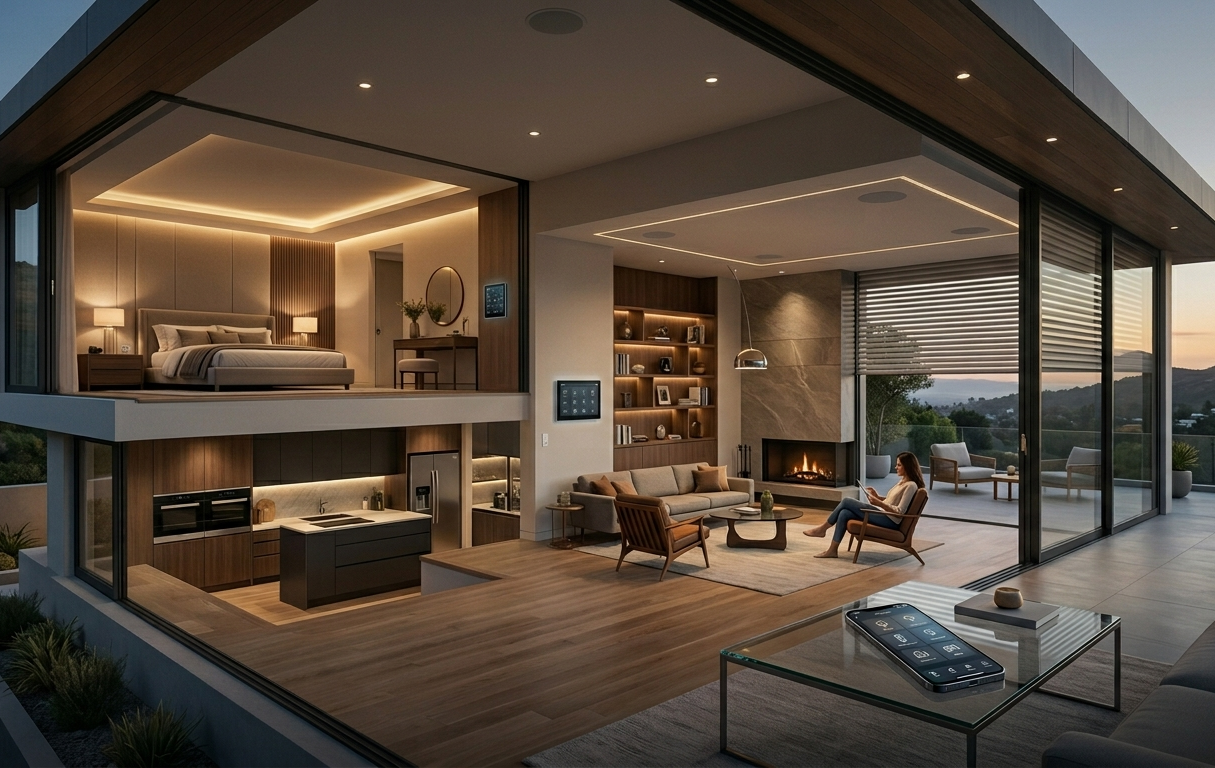

The concept of a modern home has shifted dramatically over the last few years. It is no longer enough for a house to simply look beautiful; it must also function with a high level of intelligence and efficiency. As we move through 2026, the demand for a connected living environment has become a standard expectation for homeowners looking to future-proof their investments. Designing a space that seamlessly blends high-end craftsmanship with cutting-edge technology requires a strategic approach. It is about creating a symbiotic relationship between the physical structures of your home and the digital systems that power your daily life.
When we think about a tech-ready house, we often focus on the gadgets themselves: the smart speakers, the automated blinds, and the security cameras. However, the true success of any sophisticated setup lies in the infrastructure. If the technology feels like an afterthought, with tangled wires and bulky plastic hubs cluttering your aesthetic, the design has failed. The goal of professional smart home integration is to make the technology invisible. It should be felt through convenience and seen through results, but the hardware itself should disappear into the architecture of the home.
The Foundation of a Tech-Ready Infrastructure
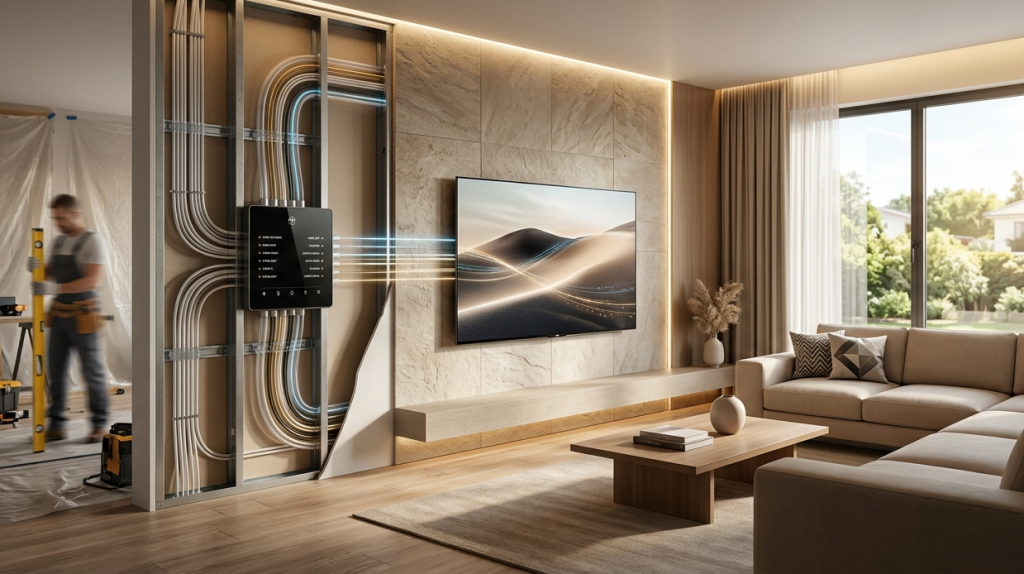
Building a house that can adapt to future innovations starts behind the walls. A common mistake is relying entirely on wireless networks to handle the heavy lifting of a connected home. While Wi-Fi 7 and other emerging standards are incredibly powerful, they can still face interference and congestion. A robust smart home integration strategy always includes a wired backbone. CAT6A or fiber optic cabling should be routed to every major room to ensure that high-bandwidth devices like 8K televisions and security servers have a dedicated, lag-free connection.
This physical infrastructure allows for a much more stable environment. It also provides the power needed for sophisticated control systems that manage lighting, climate, and audio across the entire property. By planning these pathways during the initial design phase, you avoid the need for invasive and expensive retrofitting later on. A tech-ready house is one that is prepared for the devices of today and the unknown innovations of tomorrow, providing a seamless experience for every member of the household.
Creating a Hub for Centralized Control
One of the most visible elements of a modern digital setup is the centralized media hub. In the past, this meant a cluttered shelf under the television filled with various boxes and remote controls. Today, the focus has shifted toward elegant, built-in solutions that house all the necessary hardware in one secure location. Utilizing a custom entertainment center allows you to consolidate your receivers, gaming consoles, and networking hubs while maintaining a clean, minimalist aesthetic.
These specialized cabinets can be designed with integrated cooling systems to prevent hardware from overheating. They also feature cable management channels that keep everything organized and accessible. When smart home integration is handled through custom millwork, the furniture becomes a functional part of the technology itself. This approach ensures that your living room remains a place of relaxation rather than a showroom for plastic electronics, allowing the craftsmanship of the wood to take center stage.
Smart Lighting: Setting the Mood Automatically
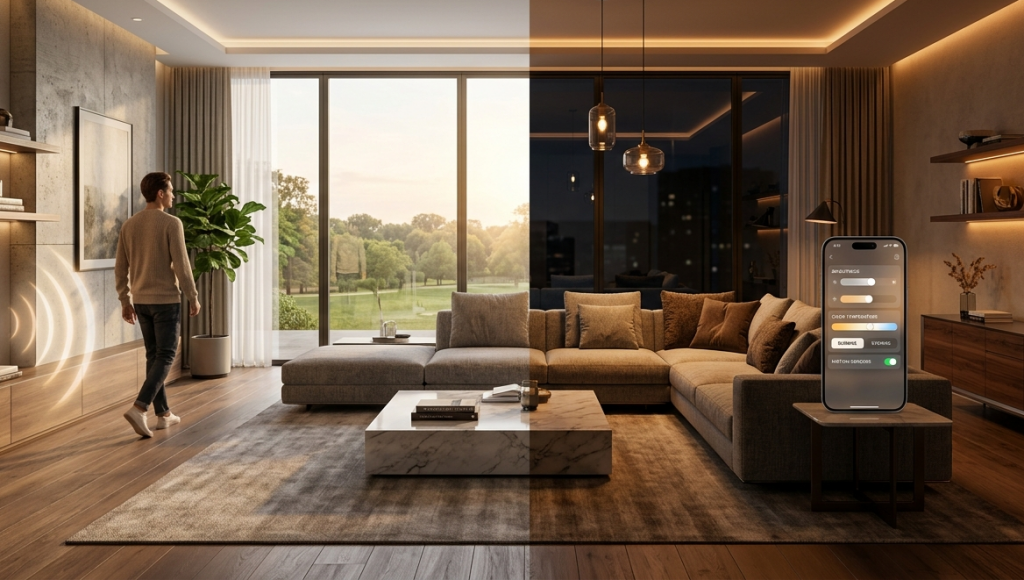
Lighting is perhaps the most transformative element of any interior design. With modern automated systems, you are no longer limited to a simple on-and-off switch. You can program scenes that adjust the color temperature and brightness based on the time of day or the activity in the room. In the morning, your lights can slowly brighten with a warm, natural hue to mimic the sunrise. In the evening, they can dim to a soft amber glow to help your body prepare for sleep.
The beauty of advanced smart home integration in lighting is that it can be triggered by sensors or schedules. As you walk into a room, the lights can activate at the perfect level, and as you leave, they can shut off to save energy. This level of automation adds a layer of luxury and convenience that defines the modern living experience. Furthermore, integrating these controls into your mobile devices or voice assistants gives you total command over the atmosphere of your home from anywhere in the world.
The Kitchen as a Digital Command Center
The kitchen has always been the heart of the home, but in a tech-ready house, it also becomes a primary data hub. Modern appliances are now equipped with touchscreens and internal cameras that can help you manage your grocery list or follow complex recipes. However, these features need to be integrated into the cabinetry in a way that feels intentional. Designing a custom kitchen cabinet in San Jose provides the opportunity to create dedicated docking stations for tablets and hidden charging ports for mobile devices.
By incorporating technology directly into the wood surfaces, you keep your countertops clear of clutter. Hidden speakers can be built into the toe-kicks or upper valances to provide high-quality audio without taking up valuable prep space. This thoughtful smart home integration ensures that the kitchen remains a social and functional space, where technology serves the cook rather than distracting them. It is about blending the warmth of natural materials with the precision of digital tools.
Automated Climate and Energy Management
Energy efficiency is a major driver behind the adoption of connected systems. Smart thermostats have been around for a while, but the latest iterations go much further. They can now communicate with automated window treatments to manage solar heat gain. If the system detects that a room is getting too warm from the afternoon sun, it can automatically lower the shades and adjust the air conditioning to maintain a perfect temperature without wasting electricity.
This proactive approach to climate control is a core benefit of total smart home integration. It reduces your carbon footprint while significantly lowering your monthly utility bills. Sensors can even detect when a window has been left open and temporarily pause the HVAC system to prevent energy waste. This level of intelligence makes the home feel like it is taking care of you, anticipating your needs and managing the environment so you don’t have to.
Security and Peace of Mind
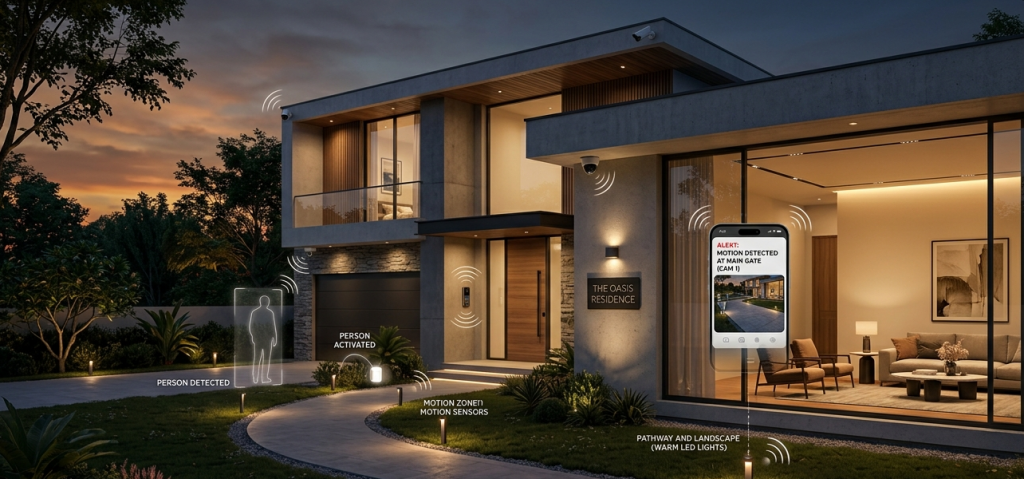
Safety is a top priority for any homeowner, and technology has revolutionized how we protect our properties. Traditional alarm systems are being replaced by integrated security networks that include high-definition cameras, motion sensors, and smart locks. These systems can distinguish between a family member and a stranger, sending instant alerts to your phone if something unusual is detected.
The key to effective security through smart home integration is redundancy. By having multiple layers of protection that talk to each other, you create a much more secure environment. For example, if a perimeter sensor is tripped at night, the system can automatically turn on all exterior lights and begin recording from all cameras. You can also grant temporary access to service providers or guests using digital keys, eliminating the need for physical keys that can be lost or copied.
Digital Organization in Private Spaces
The need for technology extends into our most private spaces, such as closets and dressing rooms. A tech-ready closet might include automated lighting that illuminates as you open the doors, or even a motorized rack system for high-end clothing. Incorporating custom closet systems allows you to build in dedicated spaces for jewelry safes with biometric locks and hidden compartments for expensive accessories.
Even the simple addition of built-in charging drawers for watches and wearable tech can make a massive difference in your daily routine. This type of smart home integration focuses on the small details that elevate a home from standard to extraordinary. It ensures that every item has a place and that your morning routine is as smooth and efficient as possible, all within a beautifully crafted environment.
The Rise of the Connected Home Office
As remote work continues to be a standard part of professional life in 2026, the home office has become a critical area for technological focus. A tech-ready office requires more than just a desk and a chair. It needs professional-grade networking, integrated video conferencing tools, and acoustic treatments to ensure clear audio during calls.
Strategic smart home integration in the office might include a “Do Not Disturb” light outside the door that turns red when your webcam is active. Motorized desks that remember your preferred sitting and standing heights are also becoming a standard feature. By designing an office that is built around your specific workflow and technology needs, you increase your productivity and reduce the stress associated with working from home.
Audio Everywhere: The Multi-Room Experience
High-fidelity audio is a hallmark of a luxury home. In the past, this required large speakers and visible wires in every room. Modern systems utilize architectural speakers that are installed flush with the ceiling or walls and can even be painted over to become completely invisible. This allows for a consistent audio experience throughout the entire house without impacting the interior design.
Through comprehensive smart home integration, you can zone your audio so that different music plays in the kitchen than in the bedroom. Alternatively, you can use “party mode” to sync every speaker for a seamless soundstage during a social gathering. Controlling these zones from a single app or voice command makes it incredibly easy to manage the soundtrack of your life, whether you are hosting a dinner party or relaxing with a book.
Future-Proofing with Modular Systems
Technology changes fast, and what is cutting-edge today might be obsolete in five years. This is why modularity is a key principle of modern home design. When you are planning your smart home integration, it is important to choose systems that use open standards and can be easily updated. Avoid proprietary systems that lock you into a single manufacturer, as this can make it difficult to add new devices later on.
Using accessible conduits for wiring and choosing software platforms that are frequently updated ensures that your home stays smart for a long time. It is about building a flexible framework that can grow with you. According to recent industry analysis on smart home trends for 2026, the shift toward unified ecosystems and open-source connectivity standards is essential for removing friction and ensuring that different devices can communicate seamlessly within a single, reliable network. As new sensors or control methods become available, you should be able to plug them into your existing network without having to tear out walls or replace your entire setup. This forward-thinking approach protects your investment and keeps your home at the forefront of innovation.
Enhancing Wellness Through Technology
A growing trend in the luxury market is the use of technology to improve the health and well-being of the residents. This includes advanced air filtration systems that monitor indoor air quality in real-time and adjust the ventilation as needed. It also extends to water filtration systems that ensure every tap in the house provides pure, mineral-rich water.
Circadian lighting, which we mentioned earlier, is another vital part of this wellness-focused smart home integration. By aligning your indoor environment with the natural cycles of the sun, you can improve your sleep quality and your mood. Some homes are even incorporating “biophilic” tech, such as automated indoor vertical gardens or digital art displays that cycle through calming nature scenes. Technology, when used correctly, can be a powerful tool for creating a restorative and healthy living space.
The Importance of a Reliable Network
None of these smart features will work without a rock-solid network. This is the heart of the tech-ready house. For large homes, a “mesh” network or a series of professionally installed wireless access points is essential to eliminate dead zones. Every smart bulb, lock, and camera adds to the load on your router, so investing in commercial-grade networking hardware is a wise move.
A professional smart home integration specialist will ensure that your network is not only fast but also secure. With so many connected devices, cybersecurity is a major concern. Setting up a dedicated firewall and using separate sub-networks for your guest Wi-Fi and your smart home devices can prevent hackers from accessing your personal data. A secure home is a smart home, and protecting your digital life is just as important as locking your front door.
Conclusion
Designing a tech-ready modern house is a complex but rewarding process that balances the timeless beauty of artisanal craftsmanship with the functional power of digital innovation. The secret to success lies in the early planning of the infrastructure and the seamless blending of hardware into the furniture and architecture. Whether you are automating your lighting for a better night’s sleep or building a centralized hub for your entertainment, every choice should serve to enhance your quality of life. As technology continues to evolve, the principles of smart home integration will remain the same: invisible, efficient, and user-focused. By embracing these concepts today, you are creating a home that is ready for whatever the future brings.
Frequently Asked Questions
Is smart home integration difficult to manage?
Not if it is designed correctly. The goal of a professional system is to simplify your life, not complicate it. Most modern systems can be controlled through a single, intuitive app on your phone or through simple voice commands. Once the initial scenes and schedules are set, the home largely takes care of itself.
Can I add smart features to an older home?
Absolutely. While it is easier to install wiring during a new build or a major remodel, there are many high-quality wireless solutions available for retrofitting older homes. Smart switches, plugs, and battery-powered cameras can provide many of the same benefits without the need for invasive construction.
Does technology decrease the resale value of a home?
Actually, it is the opposite. In 2026, tech-readiness is a major selling point. Homes that are already equipped with high-speed networking, smart security, and automated climate control are highly desirable and often sell faster and for a higher price than non-connected homes.
What happens if the internet goes down?
Most professional smart home integration systems are designed to have local control. This means that your light switches, locks, and thermostats will still work manually even if you lose your internet connection. You may lose the ability to control things remotely through your phone, but the basic functions of the home remain intact.
Is my privacy at risk with all these connected devices?
Privacy is a valid concern, but it can be managed with the right security protocols. Using strong, unique passwords, enabling two-factor authentication, and working with a professional to secure your home network can significantly reduce your risk. Choosing reputable brands that prioritize user privacy is also an essential step.