
Smart Home Integration: How to Design a Tech-Ready Modern House
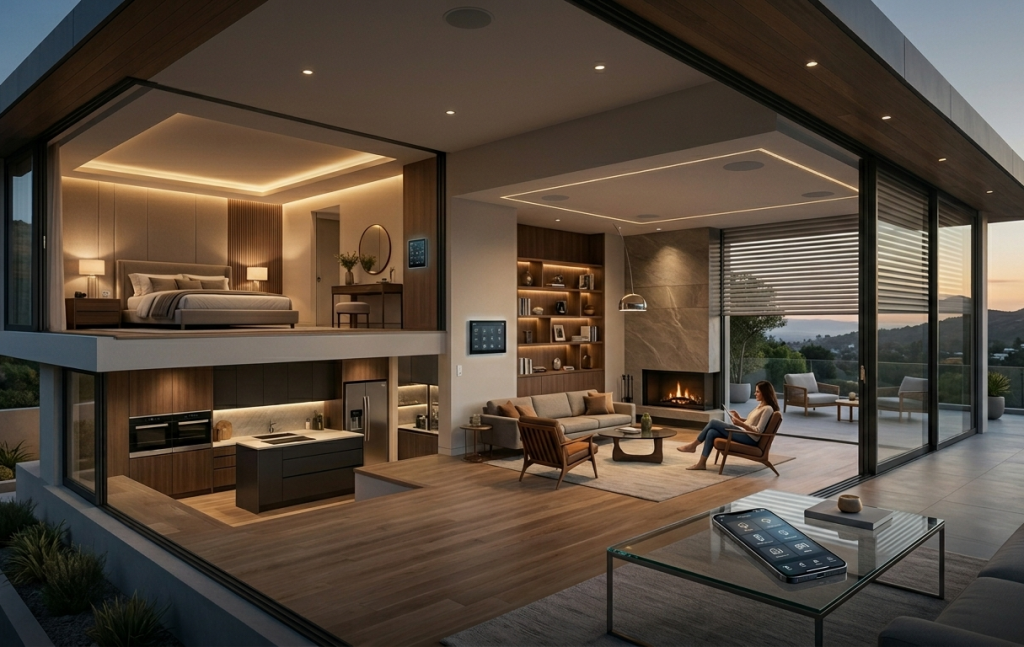
The concept of a modern home has shifted dramatically over the last few years. It is no longer enough for a house to simply look beautiful; it must also function with a high level of intelligence and efficiency. As we move through 2026, the demand for a connected living environment has become a standard expectation for homeowners looking to future-proof their investments. Designing a space that seamlessly blends high-end craftsmanship with cutting-edge technology requires a strategic approach. It is about creating a symbiotic relationship between the physical structures of your home and the digital systems that power your daily life. When we think about a tech-ready house, we often focus on the gadgets themselves: the smart speakers, the automated blinds, and the security cameras. However, the true success of any sophisticated setup lies in the infrastructure. If the technology feels like an afterthought, with tangled wires and bulky plastic hubs cluttering your aesthetic, the design has failed. The goal of professional smart home integration is to make the technology invisible. It should be felt through convenience and seen through results, but the hardware itself should disappear into the architecture of the home. The Foundation of a Tech-Ready Infrastructure Building a house that can adapt to future innovations starts behind the walls. A common mistake is relying entirely on wireless networks to handle the heavy lifting of a connected home. While Wi-Fi 7 and other emerging standards are incredibly powerful, they can still face interference and congestion. A robust smart home integration strategy always includes a wired backbone. CAT6A or fiber optic cabling should be routed to every major room to ensure that high-bandwidth devices like 8K televisions and security servers have a dedicated, lag-free connection. This physical infrastructure allows for a much more stable environment. It also provides the power needed for sophisticated control systems that manage lighting, climate, and audio across the entire property. By planning these pathways during the initial design phase, you avoid the need for invasive and expensive retrofitting later on. A tech-ready house is one that is prepared for the devices of today and the unknown innovations of tomorrow, providing a seamless experience for every member of the household. Creating a Hub for Centralized Control One of the most visible elements of a modern digital setup is the centralized media hub. In the past, this meant a cluttered shelf under the television filled with various boxes and remote controls. Today, the focus has shifted toward elegant, built-in solutions that house all the necessary hardware in one secure location. Utilizing a custom entertainment center allows you to consolidate your receivers, gaming consoles, and networking hubs while maintaining a clean, minimalist aesthetic. These specialized cabinets can be designed with integrated cooling systems to prevent hardware from overheating. They also feature cable management channels that keep everything organized and accessible. When smart home integration is handled through custom millwork, the furniture becomes a functional part of the technology itself. This approach ensures that your living room remains a place of relaxation rather than a showroom for plastic electronics, allowing the craftsmanship of the wood to take center stage. Smart Lighting: Setting the Mood Automatically Lighting is perhaps the most transformative element of any interior design. With modern automated systems, you are no longer limited to a simple on-and-off switch. You can program scenes that adjust the color temperature and brightness based on the time of day or the activity in the room. In the morning, your lights can slowly brighten with a warm, natural hue to mimic the sunrise. In the evening, they can dim to a soft amber glow to help your body prepare for sleep. The beauty of advanced smart home integration in lighting is that it can be triggered by sensors or schedules. As you walk into a room, the lights can activate at the perfect level, and as you leave, they can shut off to save energy. This level of automation adds a layer of luxury and convenience that defines the modern living experience. Furthermore, integrating these controls into your mobile devices or voice assistants gives you total command over the atmosphere of your home from anywhere in the world. The Kitchen as a Digital Command Center The kitchen has always been the heart of the home, but in a tech-ready house, it also becomes a primary data hub. Modern appliances are now equipped with touchscreens and internal cameras that can help you manage your grocery list or follow complex recipes. However, these features need to be integrated into the cabinetry in a way that feels intentional. Designing a custom kitchen cabinet in San Jose provides the opportunity to create dedicated docking stations for tablets and hidden charging ports for mobile devices. By incorporating technology directly into the wood surfaces, you keep your countertops clear of clutter. Hidden speakers can be built into the toe-kicks or upper valances to provide high-quality audio without taking up valuable prep space. This thoughtful smart home integration ensures that the kitchen remains a social and functional space, where technology serves the cook rather than distracting them. It is about blending the warmth of natural materials with the precision of digital tools. Automated Climate and Energy Management Energy efficiency is a major driver behind the adoption of connected systems. Smart thermostats have been around for a while, but the latest iterations go much further. They can now communicate with automated window treatments to manage solar heat gain. If the system detects that a room is getting too warm from the afternoon sun, it can automatically lower the shades and adjust the air conditioning to maintain a perfect temperature without wasting electricity. This proactive approach to climate control is a core benefit of total smart home integration. It reduces your carbon footprint while significantly lowering your monthly utility bills. Sensors can even detect when a window has been left open and temporarily pause the HVAC system to prevent energy waste. This level of intelligence makes the home feel like
Sustainable Furniture Materials: A Guide to Eco-Friendly Luxury
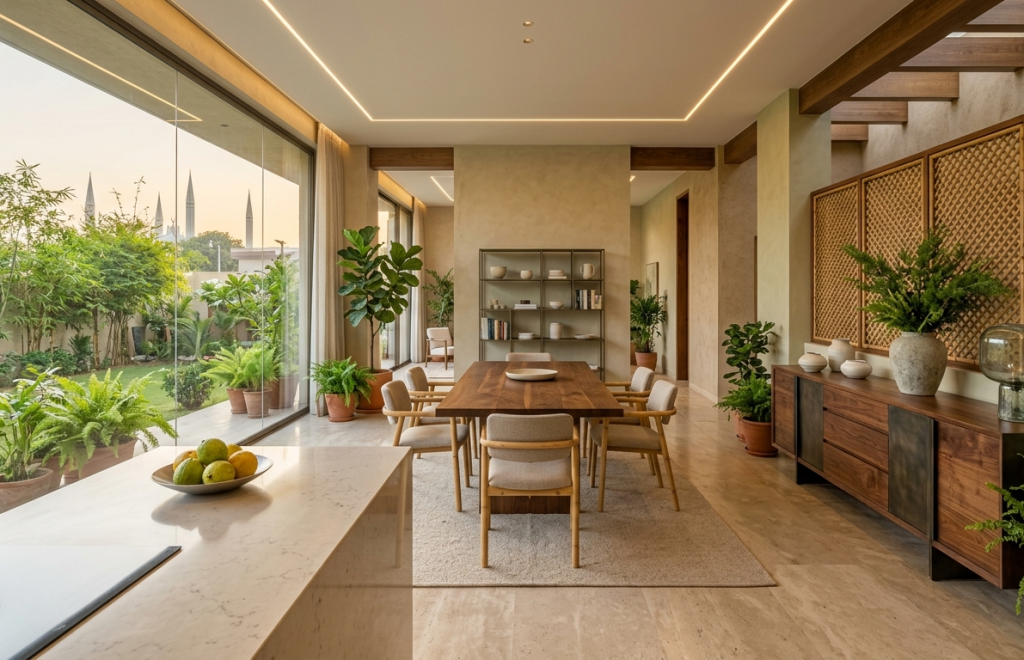
Luxury in the modern home is no longer just about the price tag or the brand name. It is about the story behind the piece, the health of the environment, and the longevity of the craftsmanship. As we move deeper into 2026, homeowners are increasingly looking for ways to align their interior design choices with their personal values. This shift has placed a massive spotlight on the quality of the resources used in our living spaces. Choosing the right components for your home can reduce your carbon footprint while actually increasing the aesthetic appeal and durability of your furniture. The concept of high-end design is evolving to prioritize the planet. People are realizing that cheap, mass-produced items often end up in landfills within a few years, releasing harmful chemicals along the way. In contrast, investing in quality pieces made from responsibly sourced elements ensures that your home remains beautiful for decades. By focusing on a few specific categories of eco-conscious resources, you can create a space that feels both opulent and ethically sound. The Foundation of Green Design When we talk about luxury woodworking, the conversation almost always begins with timber. However, not all wood is harvested equally. To ensure you are using sustainable furniture materials, you must look for certifications like the Forest Stewardship Council (FSC). This ensures that the wood comes from forests that are managed to preserve biological diversity and benefit the lives of local people and workers. Using slow-growing hardwoods that are harvested responsibly is the gold standard for high-end cabinetry and tables. Beyond just the harvest, the locality of the wood plays a huge role in its environmental impact. Transporting heavy timber across oceans creates a massive amount of carbon emissions. By sourcing local species, designers can offer a product that has a much lower environmental cost. For residents in Northern California, working with a specialist in custom kitchen cabinets in San Jose allows for the use of regional woods that are perfectly suited for the local climate while supporting a smaller, more transparent supply chain. Reclaimed Wood: History Meets Modernity One of the most visually stunning options in the world of ethical design is reclaimed wood. This involves salvaging timber from old barns, factories, or even shipyards and repurposing it into modern masterpieces. Because the wood is often decades or even centuries old, it has a density and character that new lumber simply cannot match. The knots, nail holes, and weathering tell a story that adds a layer of “organic luxury” to any room. Reclaimed timber is one of the most popular sustainable furniture materials because it requires no new trees to be cut down. It also prevents perfectly good wood from being burned or sent to a landfill. From a structural standpoint, reclaimed wood is incredibly stable because it has already spent years expanding and contracting with the seasons. It is a perfect choice for statement pieces like large dining tables or unique shelving units that need to stand the test of time. The Versatility of Bamboo and Rapidly Renewable Fibers While hardwoods are traditional, many modern designers are looking toward rapidly renewable resources. Bamboo is perhaps the most famous example. Technically a grass rather than a tree, bamboo can reach maturity in just three to five years, compared to the decades required for an oak or walnut tree. When processed correctly, bamboo is incredibly hard and durable, making it an excellent choice for flooring and modern cabinetry. The use of these types of sustainable furniture materials does not mean you have to sacrifice the “clean” look of a modern home. Bamboo can be finished in a variety of ways to mimic the look of traditional woods or to lean into its own unique, linear grain. It is a favorite for those who want a minimalist, Zen-like atmosphere in their home without contributing to global deforestation. Eco-Conscious Finishes and Adhesives The sustainability of a piece of furniture is not just about the wood; it is also about what goes on top of it. Traditional stains, paints, and glues often contain Volatile Organic Compounds (VOCs), which can “off-gas” into your home for years. This leads to poor indoor air quality and can cause respiratory issues. High-end eco-friendly furniture utilizes water-based finishes and natural oils that are safe for both the craftsmen and the homeowners. Natural waxes and plant-based oils penetrate the wood to protect it from within, rather than just sitting on the surface like a plastic film. This allows the natural texture of the grain to be felt, which is a hallmark of true luxury. When you are looking to refresh your storage areas, incorporating these low-emission finishes into custom closet systems ensures that your clothing is stored in a healthy, chemical-free environment. The Role of Recycled Metals and Stone Luxury design often incorporates more than just wood. Metal accents and stone surfaces are essential for creating a balanced look. In 2026, the trend is moving toward recycled steel, aluminum, and brass. These metals can be recycled infinitely without losing their structural integrity. Using recycled metal reduces the need for destructive mining practices and uses significantly less energy during the manufacturing process. Similarly, “engineered” stone surfaces that utilize recycled glass or stone chips are becoming a staple in high-end kitchens. These surfaces are often more durable and stain-resistant than natural marble while being much kinder to the earth. Integrating these sustainable furniture materials into your design adds a modern, industrial touch that perfectly complements the warmth of natural wood. Cork: The Overlooked Sustainable Powerhouse Cork is a fascinating resource that is often overlooked in luxury furniture design. It is harvested from the bark of the cork oak tree, which means the tree itself is never cut down. The bark grows back every nine years, making it a perfectly renewable cycle. Cork is naturally antimicrobial, water-resistant, and provides excellent acoustic insulation. In modern furniture, cork is being used for everything from stool seats to cabinet door inserts. It has a soft, warm feel
Hidden Kitchen Storage: Genius Ways to Declutter Your Countertops
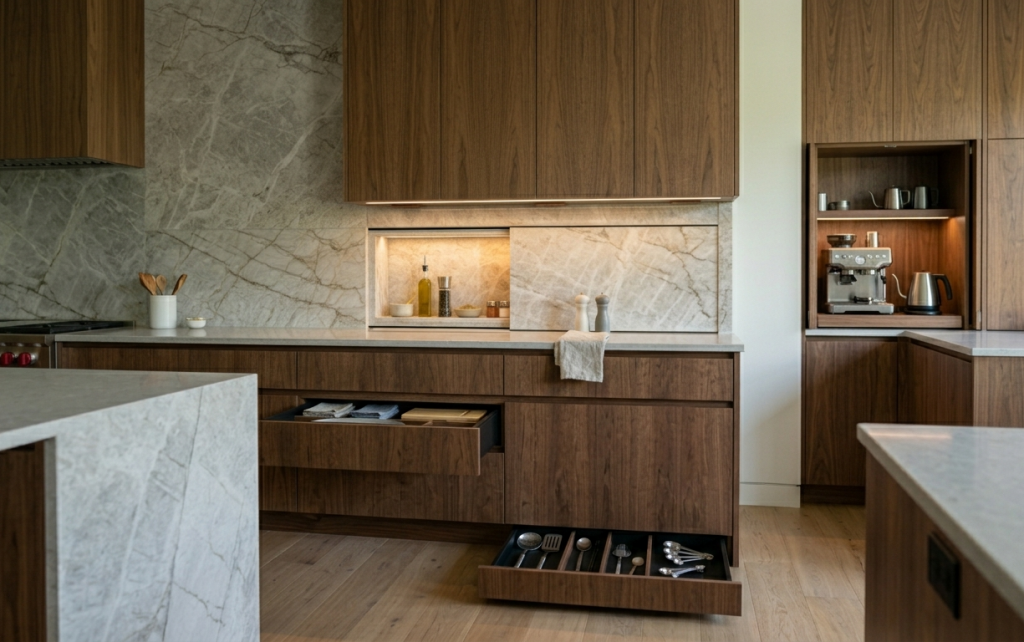
A cluttered kitchen is more than just an eyesore. It is a source of daily friction that makes cooking feel like a chore and cleaning feel impossible. We have all been there: a countertop covered in air fryers, toaster ovens, spice jars, and rogue mail that seems to multiply overnight. While many homeowners assume they simply need a bigger house, the real solution often lies in the art of concealment. By integrating clever design elements, you can transform your culinary space into a serene, functional environment where every tool has a home that is out of sight but within reach. Modern design is moving away from the era of “stuff on display.” Instead, the focus is on clean lines and minimalism that does not sacrifice utility. Achieving this look requires a shift in how we think about cabinetry and organization. Instead of adding more shelves that just collect dust, we look toward internal mechanisms and architectural “tricks” that provide ample room for everything you own. This journey into better organization begins with identifying the most effective ways to implement high-quality solutions in your home. The Rise of the Appliance Garage One of the biggest culprits of countertop chaos is the collection of small appliances we use every day. Coffee makers, blenders, and stand mixers take up valuable real estate, leaving very little room for actual meal preparation. The appliance garage is perhaps the most iconic version of hidden kitchen storage because it solves this problem perfectly. These are dedicated compartments within your cabinetry, often featuring lift-up or pocket doors, that house your bulky gadgets. When you are finished with your morning smoothie or espresso, you simply slide the appliance back and close the door. The beauty of this system is that the appliances stay plugged in and ready for use, but they never have to sit out in the open. For those living in the South Bay area, working with a specialist in custom kitchen cabinet in San Jose can help you design a garage that fits your specific dimensions, ensuring that even the largest stand mixer disappears completely when the guests arrive. This focus on “hidden” functionality is a hallmark of the latest NKBA 2026 kitchen trends, which emphasize reducing visual noise to create a more tranquil home environment. Strategic Drawer Dividers and Tiered Inserts We often think of storage as something that happens on a shelf, but the most efficient kitchens utilize every inch of drawer space. Standard drawers often become “junk drawers” because they lack internal structure. By using custom-fit dividers, you can create a specific slot for every whisk, spatula, and measuring spoon. This is a subtle form of hidden kitchen storage that keeps your counters clear because you actually have a place to put things back. Tiered spice drawers are another game-changer. Instead of a spinning spice rack taking up corner space on your granite, spices can be laid flat in a shallow drawer near the stove. This allows you to see every label at a glance without digging through a dark pantry. When the drawer is closed, your kitchen looks like a professional showroom, yet you have more accessibility than a traditional setup provides. These small details are what separate a basic remodel from a truly high-end culinary experience. Utilizing the Power of Pull-Out Pantries Traditional walk-in pantries are great if you have the square footage, but they can often become “black holes” where canned goods go to die. A pull-out pantry tower is a more modern approach to hidden kitchen storage that fits into narrow spaces that would otherwise be wasted. These tall, slim cabinets slide out on heavy-duty tracks, exposing shelves from both sides. This makes it impossible for items to get lost at the back of the shelf. Because these units are so efficient, you can move all your dry goods, snacks, and oils away from the counter and into a single, organized vertical column. This frees up the surrounding workspace for decoration or simply for the luxury of empty space. If you are currently in the planning phase of a home update, browsing through a modern kitchen design guide can give you a better sense of how these vertical towers can be integrated into your existing layout without making the room feel cramped. Under-Cabinet Niches and Hidden Outlets A major factor in visual clutter is the presence of cords and outlets. Even if your counters are clear, a row of plastic outlets along the backsplash can break the visual flow of a beautiful tile or stone slab. To achieve a truly high-end look, many designers are now moving outlets to the underside of the upper cabinets. This keeps the backsplash pristine while providing power exactly where you need it. Furthermore, shallow niches can be built into the backsplash itself, hidden behind sliding panels of the same material. Imagine a stone slab that slides to the left to reveal a hidden rack for olive oils and salt cellars. This type of hidden kitchen storage is the ultimate luxury, providing a “secret” compartment that keeps the most frequently used items at arm’s length without cluttering the visual field. It creates a seamless transition from the wall to the workspace. The Magic of the Blind Corner Solution Corner cabinets have a reputation for being the most frustrating part of a kitchen. They are deep, dark, and usually filled with pots and pans you haven’t seen in three years. However, modern hardware has turned these “dead” zones into prime real estate for hidden kitchen storage. Mechanisms like the “Magic Corner” or “LeMans” pull-out allow the entire contents of the cabinet to swing out into the light with a gentle pull. By reclaiming this lost space, you can move large pots, Dutch ovens, and mixing bowls off the counter or out of the oven storage and into an organized system. This eliminates the need for bulky pot racks hanging from the ceiling or sitting on the stove. When every corner of your cabinetry is
Kitchen Island With Seating: Innovative Designs for Modern Homes
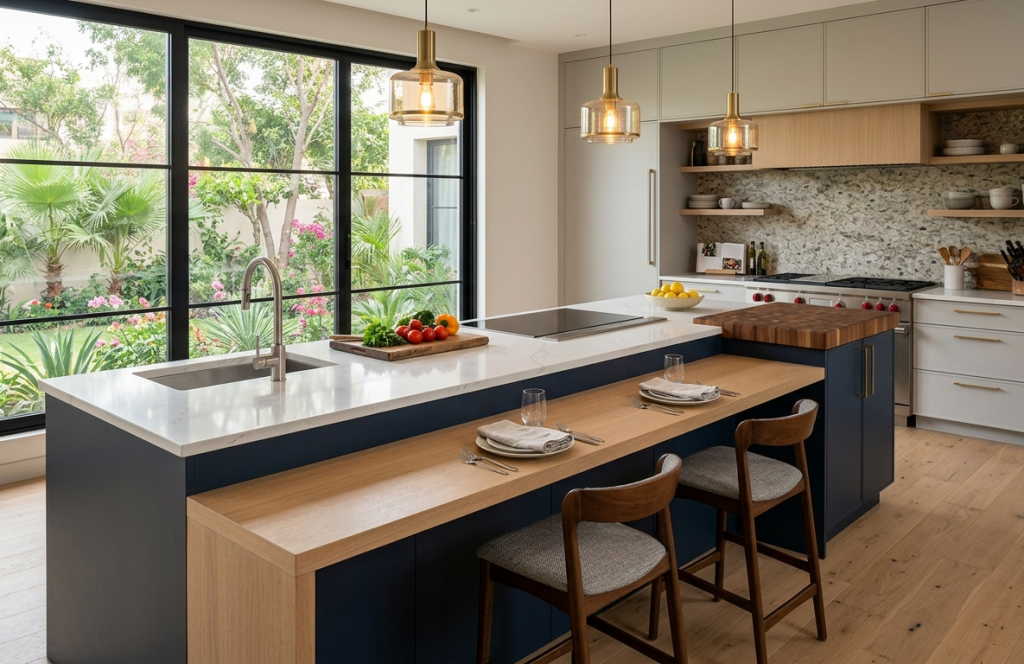
The modern kitchen has shifted from a hidden service room to the vibrant heart of the home, acting as a social hub where culinary creativity and family connection intersect. At the center of this transformation is a versatile feature that combines storage, preparation space, and comfort. Integrating a kitchen island with seating into your layout is more than just a trend; it is a fundamental shift in how we inhabit our living spaces. This multipurpose installation allows the cook to remain part of the conversation while providing a dedicated spot for casual breakfasts, homework sessions, or evening gatherings with friends. When homeowners start planning a renovation, they often look for ways to maximize both utility and style. A well-designed kitchen island with seating provides a seamless transition between the active cooking zone and the relaxed dining area. It bridges the gap between formal dining rooms and the quick pace of a modern lifestyle. As we explore the various innovative designs available in 2026, it becomes clear that the key to a successful island is finding the perfect balance between ergonomic comfort and high-end aesthetics. Defining the Purpose of Your Island Before diving into materials and colors, it is essential to define how your family will use the space. Some people view a kitchen island with seating primarily as an extra prep station with the added benefit of a perch for a quick cup of coffee. Others envision it as the main dining area for the household. Your primary use case will dictate the height of the counter, the depth of the overhang, and the type of chairs or stools you select. For a family-centric home, durability and accessibility are paramount. You might consider a multi-level design where one section is at a standard counter height for prep work, while a lower or higher section is dedicated to dining. This variety in a kitchen island with seating creates clear boundaries within a single piece of furniture, ensuring that flour from a baking project does not end up on a laptop during a study session. By tailoring the dimensions to your specific routine, you ensure the island becomes an asset rather than an obstacle. Ergonomics and Spatial Planning The success of a kitchen island with seating depends heavily on the surrounding clearances. To maintain a comfortable flow in the kitchen, you typically need at least 42 to 48 inches of aisle space between the island and the perimeter cabinets. This allows for drawers to open fully and for two people to pass each other without friction. You can refer to this standard kitchen island clearance guide to determine the exact walkway widths and seating depths required to ensure your layout remains functional for multiple cooks and guests simultaneously. When seating is added, you must also account for the “push-back” space of the stools. A common mistake in DIY planning is failing to provide enough legroom. For a standard 36-inch high counter, a 12-inch overhang is usually the minimum for comfort, while 15 to 18 inches is preferred for long-term sitting. A thoughtfully engineered kitchen island with seating ensures that your knees are not hitting the cabinet doors and that the stools can be tucked away neatly when not in use. This level of detail is what separates a basic counter from a truly modern kitchen design that enhances the daily experience of the home. Material Selection and Aesthetic Harmony The materials you choose for your island can either make it blend in with your existing decor or stand out as a bold focal point. Many homeowners are moving away from matching the island exactly to the perimeter cabinets. Instead, they use a kitchen island with seating as an opportunity to introduce a contrasting wood stain or a vibrant paint color. For example, a navy blue island base paired with white perimeter cabinets creates a classic yet contemporary look. Countertops play a huge role in the functionality of a kitchen island with seating. Quartz remains a favorite for its non-porous nature and resistance to staining, but butcher block inserts are gaining popularity for those who do a lot of heavy chopping. If your island includes a sink or a cooktop, the material needs to be even more resilient. Integrating these functional elements into a kitchen island with seating requires careful planning of plumbing and electrical lines, ensuring that the social side of the island remains uncluttered and inviting. Storage Innovations and Custom Cabinetry An island is often the best place to gain extra storage in a cramped kitchen. Beyond the standard cabinets, you can incorporate deep drawers for pots and pans, pull-out spice racks, or even a hidden microwave nook. When designing a custom kitchen cabinet in San Jose, the goal is to make every square inch count. By utilizing the back side of the island (the side where the stools are), you can create shallow cabinets for items that are used less frequently, such as holiday platters or large mixing bowls. The craftsmanship involved in a high-quality kitchen island with seating shows in the details. Soft-close hinges, integrated charging stations for devices, and hidden LED strip lighting under the counter overhang can elevate the space. These features turn a simple block of cabinets into a high-tech command center. A well-planned kitchen island with seating not only looks beautiful but also solves common organizational problems, keeping your countertops clear and your kitchen running smoothly. Lighting the Social Center Lighting is the finishing touch that brings a kitchen island with seating to life. Pendant lights are the most popular choice, as they provide essential task lighting for the counter while acting as a piece of “jewelry” for the room. The rule of thumb is to hang pendants about 30 to 36 inches above the counter surface. You want them high enough to avoid blocking sightlines across the kitchen, but low enough to illuminate the surface effectively. In addition to decorative pendants, consider dimmable lighting for your kitchen island with seating. This allows you
Solid Wood vs Plywood Cabinets: Which is Best for Your Kitchen?
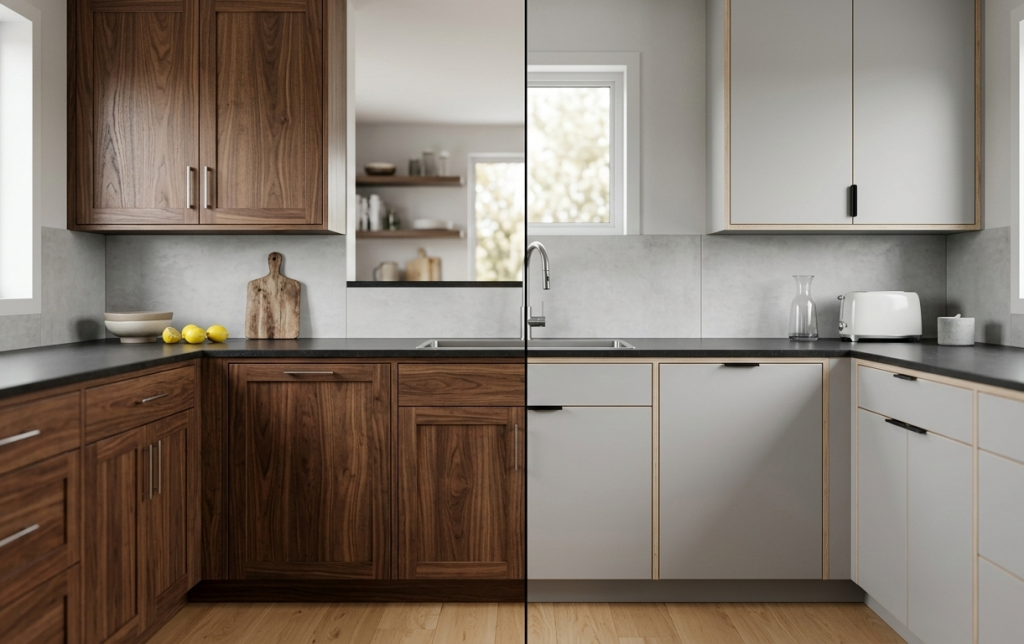
When it comes to a kitchen remodel, the most frequent debate homeowners find themselves in involves the structural integrity of their storage. Choosing between solid wood vs plywood cabinets is a decision that impacts not only the initial visual appeal of your home but also its long-term resale value and daily functionality. In a bustling household, the kitchen is more than just a place to prepare meals; it is a high-traffic zone where surfaces are constantly exposed to heat, moisture, and mechanical wear. Understanding the technical differences between these two materials is the first step toward a successful renovation that stands the test of time. Many people assume that one material is inherently superior to the other, but the truth is more nuanced. The modern cabinetry industry has evolved, and both options offer specific advantages depending on your local climate, your budget, and your aesthetic goals. As we dive into the details of solid wood vs plywood cabinets, we will look at how each handles the unique stresses of a kitchen environment. From the natural beauty of grain patterns to the engineered stability of cross-laminated layers, each choice brings a different set of characteristics to your cabinetry project. Understanding the Anatomy of Solid Wood Solid wood is exactly what it sounds like: a single, continuous piece of timber harvested from a tree. For centuries, this has been the gold standard for high-end furniture and home construction. When discussing solid wood vs plywood cabinets, proponents of the solid option often point to its unmatched beauty and the “feel” of real timber. Common species used in modern kitchens include maple, oak, cherry, and walnut, each offering a distinct color profile and hardness level. The primary benefit of using solid material is its durability in terms of repairability. If a solid door gets scratched or dented, it can be sanded down and refinished multiple times. This makes it a lifetime investment for those who appreciate the aging process of natural materials. However, solid timber is a “living” material. It breathes, expanding and contracting with changes in humidity. In the context of solid wood vs plywood cabinets, this natural movement can sometimes lead to warping or hairline cracks in painted finishes if the wood isn’t properly seasoned or used in a climate-controlled environment. The Engineering Behind Plywood Cabinets Plywood is an engineered wood product made by gluing together thin layers of wood veneers, known as plies. These layers are stacked with the grain of each layer running perpendicular to the one below it. This cross-graining technique is the secret to its structural performance. When you compare solid wood vs plywood cabinets, you will find that plywood is significantly more resistant to moisture and temperature fluctuations. It does not shrink or swell nearly as much as solid timber, which is why it is often the preferred choice for cabinet boxes and shelving. High-quality furniture-grade plywood is not the same as the rough sheets you see at a basic construction site. For custom projects, designers often use multi-ply birch or maple plywood, which offers incredible screw-holding power and a very stable flat surface. This stability is crucial for modern kitchen cabinets where sleek lines and perfectly aligned doors are the priority. Plywood allows for larger, seamless panels that remain perfectly flat over decades of use. Weight and Structural Integrity In the battle of solid wood vs plywood cabinets, weight is a factor that professional installers take very seriously. Solid wood is heavy and dense, which provides a sense of luxury but also puts more stress on the wall hanging systems. Plywood, while still very strong, offers a better strength-to-weight ratio. This makes plywood cabinets easier to install securely, especially for upper cabinets that must support the weight of heavy stoneware and appliances. Structural integrity also comes down to how the material holds fasteners like hinges and drawer slides. Solid wood is excellent for this, provided it is a hardwood species. However, low-quality particle boards or MDF (Medium Density Fiberboard) often fails in this area. Plywood bridges the gap by providing a core that grips screws tightly while maintaining its shape. When homeowners weigh their options for solid wood vs plywood cabinets, they often find that a hybrid approach—using solid wood for doors and plywood for boxes—provides the best of both worlds. Aesthetics and Finish Options The visual appeal of your kitchen is often the deciding factor in the solid wood vs plywood cabinets debate. Solid wood offers a depth of grain and a natural variation that is impossible to fully replicate. Each door is unique, with its own story told through knots and mineral streaks. This is particularly desirable for rustic, traditional, or transitional kitchen styles where the wood itself is the star of the show. Plywood, on the other hand, is usually finished with a high-quality veneer on the outside. This allows you to have the look of an exotic wood species at a more controlled price point. For those interested in modern kitchen design, plywood is an excellent canvas for high-gloss laminates or ultra-matte finishes. Because the surface is so stable and flat, it is the perfect substrate for contemporary styles that require a flawless, mirrored finish. Moisture Resistance in the Kitchen The kitchen is a humid environment. Between the steam from boiling water and the occasional plumbing leak under the sink, your cabinets will inevitably face moisture. This is a critical point in the solid wood vs plywood cabinets discussion. Solid wood can be prone to “cupping” or “bowing” if it gets wet and dries out repeatedly. While high-quality finishes protect the surface, the core remains susceptible to movement. Plywood is designed to handle these conditions much better. The waterproof glues used in high-end plywood help prevent the layers from separating even in damp conditions. This is why many custom builders recommend plywood for the cabinet box under the kitchen sink. When you look at the longevity of solid wood vs plywood cabinets, plywood often wins in the “hidden” areas of the